
Reproduction is a biological process through which organisms give rise to offspring, ensuring the continuation of their species. Insects, such as the cockroach, reproduce sexually, and their reproductive process involves well-developed reproductive organs and specific mating behaviors. Understanding how reproduction in Cockroach takes place helps explain their high population rates and ability to thrive in diverse environments.
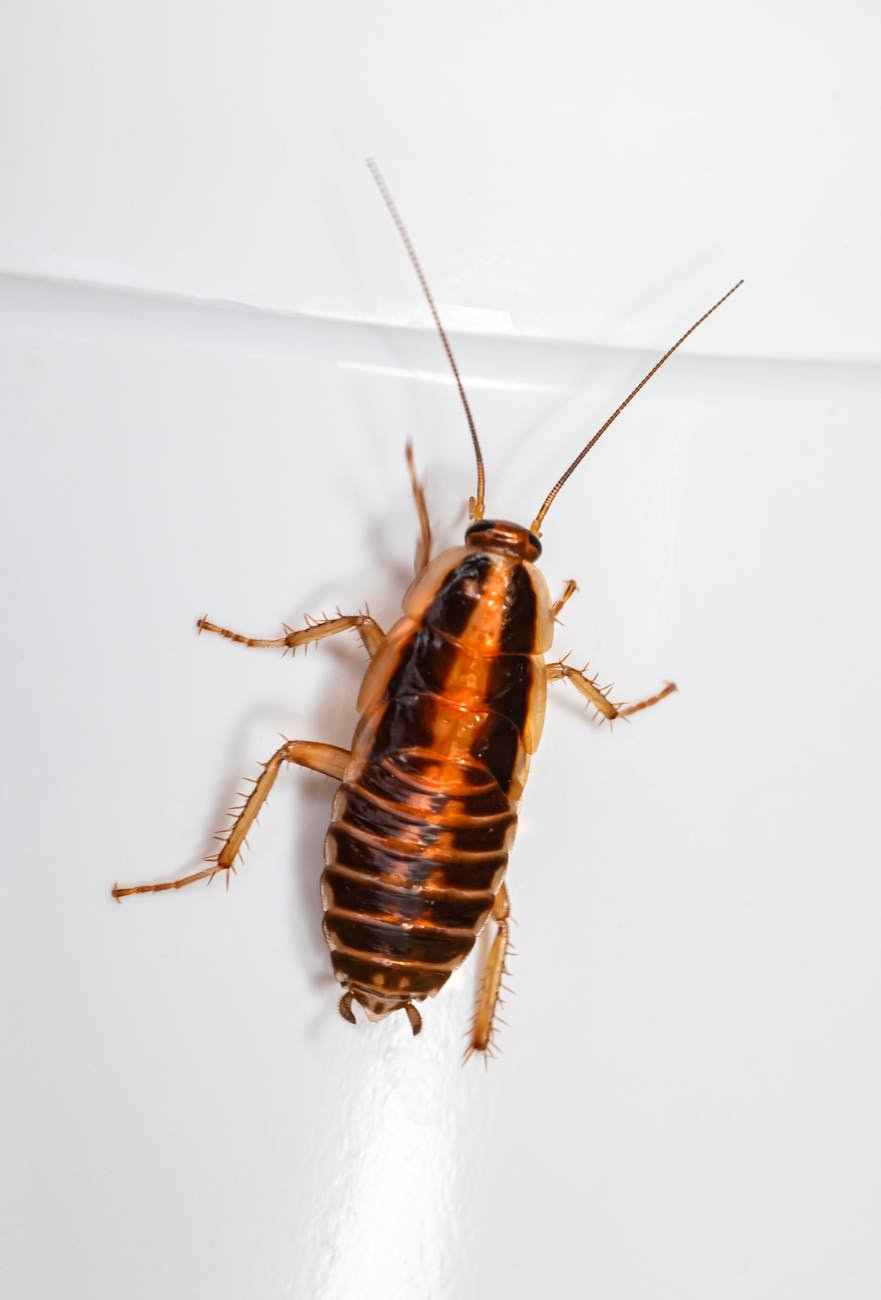
What are Cockroaches?
Cockroaches are insects that belong to the order Blattodea, known for their flat, oval-shaped bodies, long antennae, and fast-running ability. They are primarily nocturnal and can be found in diverse habitats ranging from forests and caves to human dwellings. Cockroaches are highly adaptable and resilient, capable of surviving in harsh environmental conditions, which makes them one of the most persistent insect species. While some species are considered pests due to their association with unhygienic conditions and potential disease transmission, cockroaches also play important ecological roles, such as decomposing organic matter and recycling nutrients in ecosystems.
Meaning of Reproduction in Cockroach
Reproduction in cockroach refers to the sexual process by which male and female cockroaches produce offspring through the fusion of gametes. This process involves internal fertilization and egg-laying, followed by the development of nymphs through gradual metamorphosis. Unlike organisms that reproduce asexually or through external fertilization, cockroaches exhibit a complex reproductive system that ensures the survival of their species in various conditions.
Structure of the Reproductive System in Cockroach
Cockroaches exhibit sexual dimorphism, which means there are distinct differences between the male and female, especially in terms of their reproductive organs.
Male Reproductive System
The male cockroach has a pair of testes that produce sperm and are located in the abdominal segments. The testes connect to the vas deferens, which carry the sperm to a structure known as the seminal vesicle. The seminal vesicles store the sperm, and during mating, the sperm is transferred to the female via the ejaculatory duct and phallomeres (external genital structures). Males also produce spermatophores, which are sperm-containing capsules delivered to the female.
Female Reproductive System
The female reproductive system consists of a pair of ovaries, which are the primary organs that produce eggs. Each ovary is made up of ovarioles that contain developing ova. The ovaries are connected to the oviducts, which lead into a common vagina. The female cockroach also has a spermatheca, a storage sac that holds sperm received during mating for later use in fertilizing eggs. The female has an ovipositor at the end of her abdomen for laying fertilized eggs into suitable environments.
Process of Reproduction in Cockroach
Reproduction in cockroaches is sexual, involving internal fertilization, and includes the following key steps:
- Mating and Copulation
During mating, the male cockroach transfers spermatophores into the female’s body through the genital opening. Copulation usually occurs at night and can last for several minutes. - Fertilization of Eggs
After mating, the female stores the sperm in the spermatheca and uses it gradually to fertilize eggs as they mature. Fertilization occurs internally before the eggs are laid. - Ootheca Formation and Egg Laying
The fertilized eggs are enclosed in a protective case known as an ootheca. Each ootheca contains about 16 to 20 eggs and is usually deposited in a warm and hidden area. The female may produce several oothecae in her lifetime. - Development and Hatching
After an incubation period, young cockroaches called nymphs hatch from the eggs. Nymphs resemble adults but lack wings and reproductive organs. They undergo several molts before becoming fully mature adults capable of reproduction.
Metamorphosis in Cockroach
Cockroaches undergo incomplete metamorphosis, also known as hemimetabolous development. This means that their life cycle includes three stages: egg, nymph, and adult. There is no pupal stage as seen in complete metamorphosis. Nymphs grow gradually through successive molts, shedding their exoskeleton until they reach adulthood.
Importance of Reproduction in Cockroaches
Reproduction in cockroaches ensures the survival of the species even in harsh conditions. Their rapid reproductive rate allows them to colonize and infest environments quickly, which is why they are considered pests in households and food storage areas. Understanding their reproductive biology helps in developing effective pest control strategies.
Key Features of Cockroach Reproduction
- Cockroaches reproduce sexually with distinct male and female individuals.
- Fertilization is internal, and the female stores sperm for later use.
- Eggs are protected inside an ootheca and deposited in hidden places.
- Development involves incomplete metamorphosis, with several molts before adulthood.
- The high fecundity of cockroaches contributes to their persistence as pests.
Revision questions and answers for students on reproduction in Cockroach
What is the function of the spermatheca in female cockroaches?
Answer:
The spermatheca in female cockroaches is an internal sac-like organ used to store sperm received from the male during mating. This stored sperm is later used to fertilize eggs over time.
How does fertilization occur in cockroaches?
Answer:
Fertilization in cockroaches is internal, meaning it takes place inside the body of the female when the stored sperm from the spermatheca fuses with the eggs before they are enclosed in the ootheca.
What is an ootheca in cockroach reproduction?
Answer:
An ootheca is a tough, capsule-like structure formed by female cockroaches to enclose and protect the fertilized eggs. Each ootheca contains multiple eggs and is deposited in a warm, safe environment for development.
How many eggs are typically contained in one cockroach ootheca?
Answer:
One cockroach ootheca typically contains about 16 to 24 eggs, depending on the species.
What type of development occurs in cockroaches: direct or indirect?
Answer:
Cockroaches undergo incomplete metamorphosis, which is a type of indirect development involving three life stages: egg, nymph, and adult, without a pupal stage.
What is the main difference between a cockroach nymph and an adult cockroach?
Answer:
The main difference is that nymphs are smaller, wingless, and sexually immature, while adults are fully grown, possess wings, and are sexually mature.
What reproductive organs are found in male cockroaches?
Answer:
Male cockroaches have a pair of testes, vas deferens, seminal vesicles, ejaculatory duct, and external genitalia, which help in producing and transferring sperm during mating.
What are the major reproductive organs of the female cockroach?
Answer:
The female cockroach has a pair of ovaries, oviducts, a common oviduct, genital chamber, spermatheca, and oothecal glands that help in egg formation, fertilization, and ootheca production.
What is the duration for the hatching of cockroach eggs?
Answer:
Depending on environmental conditions and species, cockroach eggs may hatch within 3 to 8 weeks after the ootheca is laid.
RELATED ARTICLES
- Reproduction in Earthworm; meaning, structure and process
- Reproduction in Hydra: Meaning, Types and Structures
- Reproduction in Paramecium: Meaning, Methods, and Importance
- Reproduction in Spirogyra, meaning, structure, methods and importance
- Reproduction in Amoeba: Meaning, Process, and Key Facts
- Reproduction in Housefly: meaning, structure and process