
The skin is the largest organ in the human body, covering approximately 1.5 to 2 square meters in an adult. It acts as a protective barrier and performs essential roles such as temperature regulation, sensation, and immunity. Studying the functions of the skin in human body is important because the skin not only shields internal organs from harmful external factors but also helps maintain homeostasis. The skin is composed of three main layers: the epidermis, dermis, and subcutaneous tissue, each with specific roles that contribute to the body’s overall health and protection
- Epidermis (outermost layer)
- Dermis (middle layer)
- Hypodermis (subcutaneous tissue) (innermost layer)
These layers work together to perform various functions vital for health and survival.
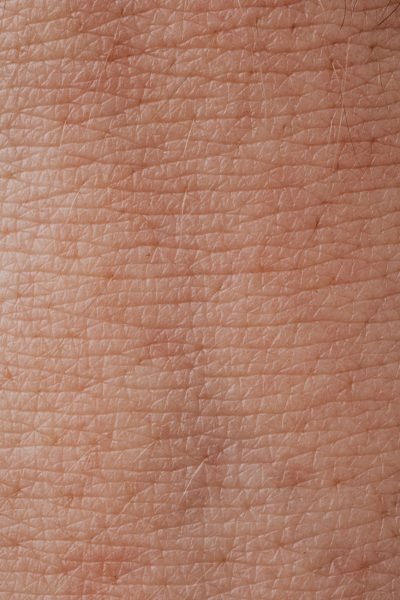
Definition of Skin
The skin is the outermost covering of the human body and serves as a protective layer that separates the internal organs from the external environment. It is a complex organ made up of multiple layers that function together to regulate body temperature, detect sensations, prevent water loss, and defend against pathogens. As the body’s largest organ, the skin plays a vital role in maintaining overall health and homeostasis.
READ ALSO – Functions of the White Blood Cells WBCs in the Human Body
Functions of the Skin
1. Protection
- The skin acts as a barrier against physical injury, harmful microorganisms (bacteria, viruses, fungi), UV radiation, and toxic substances.
- The epidermis contains keratin, a tough protein that strengthens the skin.
- Melanin, a pigment in the skin, protects against UV damage from the sun.
2. Regulation of Body Temperature
The skin helps maintain body temperature (thermoregulation) through:
- Sweat glands (eccrine glands) that produce sweat, which evaporates to cool the body.
- Blood vessels that dilate (expand) to release heat or constrict (narrow) to retain heat.
- Fat in the hypodermis that provides insulation against cold temperatures.
3. Sensation (Touch, Pressure, Pain, and Temperature)
The skin contains sensory receptors that detect touch, pain, pressure, and temperature.
Different types of nerve endings in the dermis allow us to feel different sensations:
- Meissner’s corpuscles – detect light touch.
- Pacinian corpuscles – detect deep pressure.
- Nociceptors – detect pain.
- Thermoreceptors – detect heat and cold.
4. Excretion of Waste
- The skin plays a role in excreting waste products through sweat, including:
- Salts (sodium, potassium, chloride)
- Water
- Urea and ammonia (small amounts of metabolic waste)
5. Production of Vitamin D
- When exposed to sunlight, the skin produces Vitamin D, which is essential for calcium absorption and bone health.
- This occurs when UV rays stimulate the production of cholecalciferol (Vitamin D3) in the skin.
6. Immunity and Defense Against Infection
- The skin contains Langerhans cells, which are part of the immune system and help detect and fight infections.
- The acidic pH of the skin prevents bacterial growth, acting as a natural defense.
7. Prevention of Water Loss (Waterproofing)
- The skin prevents excessive water loss through a lipid (fat) barrier in the epidermis.
- This function helps maintain hydration and prevents drying out (dehydration).
8. Storage of Fat and Energy
The hypodermis (subcutaneous tissue) stores fat (adipose tissue), which:
- Provides energy reserves.
- Acts as insulation to maintain body temperature.
- Cushions and protects internal organs from shock.
9. Communication and Expression
- The skin plays a role in facial expressions and non-verbal communication.
- Blushing, sweating, and skin tone changes can signal emotions like embarrassment, fear, or excitement.
10. Healing and Regeneration
- The skin has the ability to repair itself through the production of new cells in the epidermis.
- Blood clotting, inflammation, and new tissue formation help heal cuts, burns, and wounds.
Summary Table: Functions of the Skin
| Function | Description |
|---|---|
| Protection | Shields against injury, microbes, UV rays, and toxins. |
| Temperature Regulation | Controls heat loss through sweating and blood vessel dilation/constriction. |
| Sensation | Detects touch, pain, temperature, and pressure through nerve endings. |
| Excretion | Removes waste products (salts, urea, water) through sweat. |
| Vitamin D Production | Produces Vitamin D when exposed to sunlight for calcium absorption. |
| Immunity | Contains immune cells (Langerhans cells) that fight infections. |
| Waterproofing | Prevents excessive water loss through a lipid barrier. |
| Fat Storage | Stores fat for energy, insulation, and protection. |
| Communication | Facial expressions and skin tone changes help convey emotions. |
| Healing and Repair | Regenerates skin cells and heals wounds. |
Read Also – Parts of the Eye and their Functions in Biology
Conclusion on Functions of the Skin in Humans
The skin is a multifunctional organ that plays a crucial role in protection, temperature regulation, sensation, immunity, and vitamin D production. It acts as the body’s first line of defense while also contributing to excretion, hydration, and communication. Maintaining healthy skin through proper hygiene, hydration, and sun protection is essential for overall well-being.
READ ALSO – Functions of Red Blood Cells (RBCs) in the Human Body
Revision Questions and Answers
1. What are the three layers of the skin?
Answer: Epidermis, dermis, and hypodermis (subcutaneous tissue).
2. How does the skin help regulate body temperature?
Answer:
- By producing sweat to cool the body.
- By expanding (dilating) or narrowing (constricting) blood vessels to release or retain heat.
3. What is the role of Vitamin D production in the skin?
Answer: The skin produces Vitamin D when exposed to sunlight, which helps the body absorb calcium for strong bones.
4. How does the skin protect against infections?
Answer:
- It has an acidic pH that prevents bacterial growth.
- It contains Langerhans cells, which help fight infections.
5. What sensory functions does the skin perform?
Answer: The skin detects touch, pain, temperature, and pressure through specialized nerve endings.