
White blood cells (WBCs), also known as leukocytes, are a vital component of the human body’s immune system. Unlike red blood cells, which are responsible for transporting oxygen, key functions of white blood cells is in defending the body against infections, diseases, and foreign invaders. These cells are produced primarily in the bone marrow and circulate throughout the bloodstream and lymphatic system to monitor and protect the body from potential threats.
White blood cells are not a single type of cell but a group of specialized cells with different functions, including identifying pathogens, producing antibodies, destroying infected or abnormal cells, and coordinating immune responses. Their ability to recognize and respond to harmful microorganisms is crucial for maintaining overall health and preventing illness. In this blog, we will explore the major functions of WBCs, the different types involved, and their significance in human immunity and disease resistance.
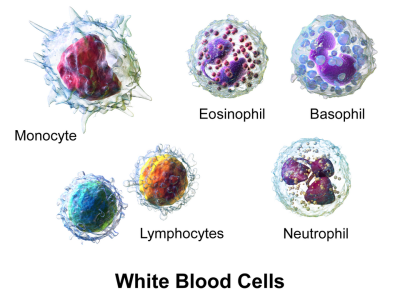
Definition of White Blood Cells
White blood cells (WBCs), also called leukocytes, are a crucial part of the immune system. They help the body fight infections, destroy harmful substances, and protect against diseases. Unlike red blood cells, WBCs have a nucleus and can move freely through blood and tissues to combat invaders like bacteria, viruses, fungi, and parasites.
Functions of White Blood Cells
1. Fighting Infections
- WBCs identify and attack bacteria, viruses, fungi, and parasites to prevent infections.
- They release enzymes and chemicals that neutralize harmful microbes.
2. Producing Antibodies
- Lymphocytes (B-cells) create antibodies that recognize and destroy specific pathogens.
- This helps the body develop long-term immunity (e.g., after vaccination).
3. Destroying Harmful Substances (Phagocytosis)
- Neutrophils and macrophages engulf and digest harmful bacteria, dead cells, and foreign particles.
- This process, called phagocytosis, helps keep the body clean and free from infections.
4. Inflammation and Wound Healing
- Basophils and mast cells release histamine, which causes inflammation to increase blood flow to the affected area.
- This speeds up wound healing and prevents further infection.
5. Killing Cancerous and Abnormal Cells
- Natural killer (NK) cells and T-cells detect and destroy cancerous, infected, or damaged cells.
- This function helps protect against tumor growth and autoimmune diseases.
6. Regulating the Immune Response
- Helper T-cells activate and coordinate other immune cells.
- Suppressor T-cells regulate immune activity to prevent overreaction and reduce autoimmune diseases.
7. Memory for Future Immunity
- Memory B-cells and T-cells store information about past infections.
- This allows the immune system to respond faster and stronger to the same pathogen in the future.
Types of White Blood Cells and Their Functions
| Type of WBC | Function |
|---|---|
| Neutrophils | First responders that engulf and destroy bacteria. |
| Lymphocytes (B-cells & T-cells) | Produce antibodies, kill infected cells, and provide immunity. |
| Monocytes (Macrophages) | Engulf and digest pathogens and dead cells. |
| Eosinophils | Fight parasites and are involved in allergic reactions. |
| Basophils | Release histamine and promote inflammation. |
READ ALSO – Functions of Red Blood Cells (RBCs) in the Human Body
Revision Questions On white blood cells
1. What are white blood cells, and what is their main function?
Answer: White blood cells (WBCs), or leukocytes, are immune cells that protect the body from infections, foreign invaders, and diseases.
2. How do white blood cells fight infections?
Answer: WBCs fight infections by engulfing and digesting harmful microbes (phagocytosis), producing antibodies, and releasing chemicals that kill pathogens.
3. What are the different types of white blood cells and their functions?
Answer:
- Neutrophils – First responders that engulf and destroy bacteria.
- Lymphocytes (B-cells & T-cells) – Produce antibodies and kill infected cells.
- Monocytes (Macrophages) – Engulf and digest pathogens and dead cells.
- Eosinophils – Fight parasites and are involved in allergic reactions.
- Basophils – Release histamine and promote inflammation.
4. How do lymphocytes help in immunity?
Answer: B-cells produce antibodies that attack pathogens, while T-cells destroy infected or cancerous cells and regulate immune responses.
5. What role do white blood cells play in wound healing?
Answer: WBCs help heal wounds by fighting infections, reducing inflammation, and removing dead cells, allowing new tissue to form.
READ ALSO – Types of Muscles and their Functions in Human Body
Conclusion
White blood cells are the body’s defense system, protecting against infections, diseases, and harmful substances. They fight infections, produce antibodies, regulate immune responses, and help heal wounds. A healthy immune system depends on WBCs to maintain overall health and immunity.