
The arrival of new life on a farm is one of the most rewarding and anticipated events in animal husbandry. Parturition, or the process of giving birth, is a natural, yet intricate process that varies among different farm animals. Understanding the signs, stages, and care involved in parturition is crucial for farmers and animal caretakers to ensure the health and safety of both the mother and her offspring. In this hall, we will be studying the process of parturition in common farm animals, including cattle, sheep, goats, pigs, and horses.
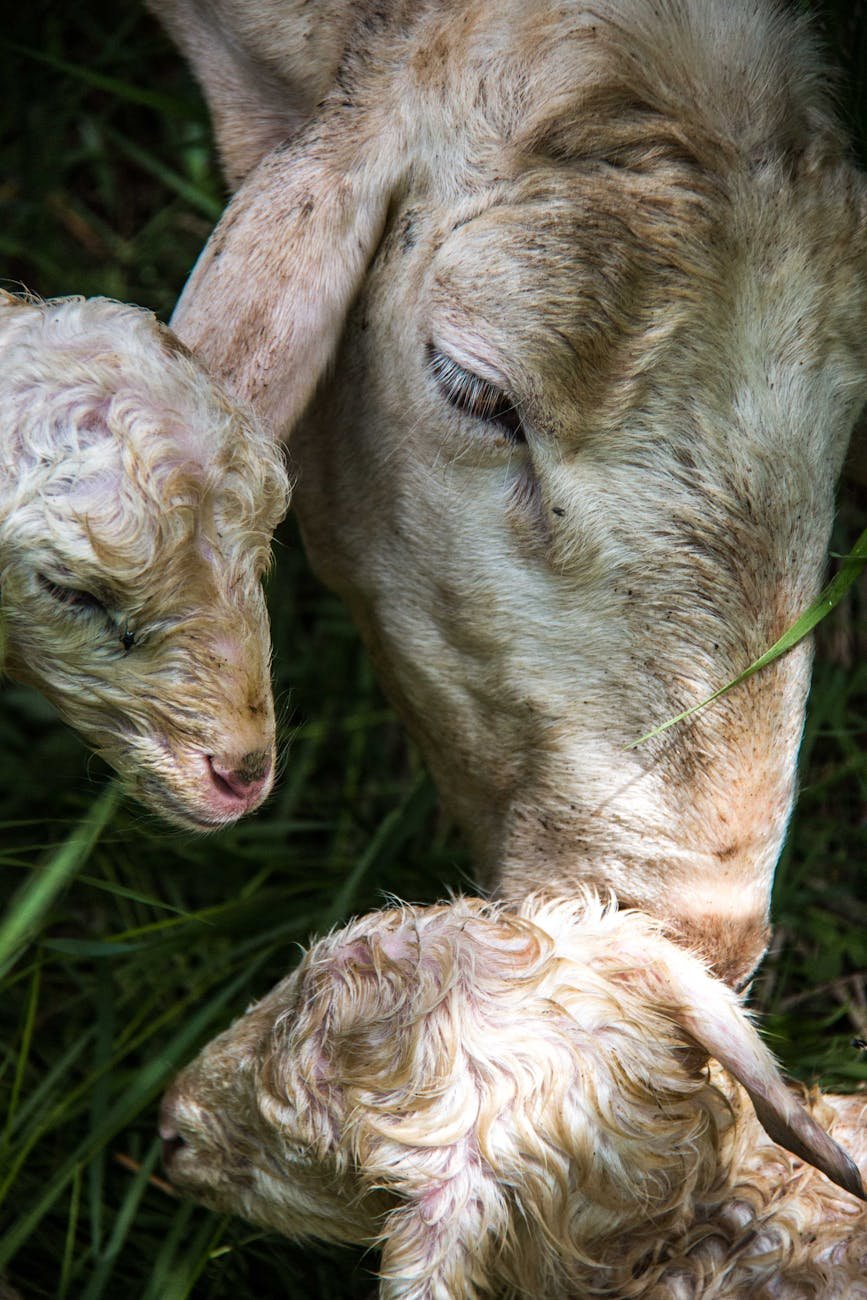
Table of Contents
- Introduction
- The meaning of Parturition in farm animals.
- Parturition in Cattle and signs
- Parturition in Sheep and signs
- Parturition in Goat and signs
- Parturition in Pig and signs
- Parturition in horse and signs
- Conclusion
- Revision questions
What is Parturition in Farm Animals?
Meaning: Parturition in farm animals refers to the biological process through which a pregnant animal gives birth to its young. It marks the end of gestation and the beginning of a new life cycle for the offspring. This natural process involves a series of physiological and hormonal changes that prepare the animal’s body for labor and delivery. Parturition is a critical stage in animal reproduction, as it affects the health and survival of both the mother and the newborn. Proper management and observation during parturition are essential to prevent complications and ensure a safe delivery, especially in farm animals such as cattle, goats, sheep, pigs, and poultry.
See Also
Parturition in Farm Animals
1. Cattle (Cows)
Gestation Period: Approximately 280 days (about 9 months). For cattle, parturition is a well-established process that follows a relatively predictable pattern. As the cow nears the end of her gestation, several signs of impending labor begin to appear:
Signs of Parturition in Cattle
- Restlessness: The cow may become more agitated, separate herself from the herd, and start pacing.
- Swelling of the Vulva: The vulva softens and swells, signaling the approach of birth.
- Enlargement of the Udder: The udder fills with milk, which is a clear indication that the cow is ready to give birth.
- Discharge: Clear mucus may be seen coming from the vulva, a sign that the cervix is beginning to dilate.
The stages of labor in cattle are as follows
- First Stage: The cervix starts to dilate, and mild contractions occur. This stage can last for several hours as the cow prepares to give birth.
- Second Stage: Active labor begins, and the calf is born. This stage usually lasts 1 to 2 hours.
- Third Stage: The placenta is expelled, typically within 6 to 12 hours after birth.
2. Sheep
Gestation Period: Approximately 145-150 days (about 5 months). In sheep, the birthing process is similar to cattle but usually quicker. As parturition nears, ewes will begin to show signs of discomfort and readiness for birth:
Signs of Parturition in Sheep
- Behavior Changes: Ewes may isolate themselves from the flock and exhibit restlessness.
- Swelling of the Vulva: As birth approaches, the vulva becomes soft and swollen.
- Udder Enlargement: The udder swells as milk starts to accumulate in preparation for nursing.
- Positioning: The ewe may lie down more frequently, preparing for the delivery process.
Labor in sheep consists of three stages
- First Stage: The cervix dilates, and mild contractions begin. This stage can last a few hours.
- Second Stage: The lamb is delivered, typically within 30 minutes to 2 hours.
- Third Stage: The placenta is expelled, usually within a few hours after the lamb is born.
3. Goats
Gestation Period: Approximately 150 days (about 5 months). Goats experience a fairly straightforward birthing process, though they can be more independent than other farm animals when it comes to parturition:
Signs of Parturition in Goat
- Restlessness: The doe may appear anxious, pawing at the ground and isolating herself from the herd.
- Udder Development: The udder swells and becomes firm as milk production increases.
- Vulvar Discharge: A clear or slightly bloody mucus discharge is often seen before birth.
The stages of labor in goats are as follows
- First Stage: Mild contractions and cervical dilation begin, which can last for 1-2 hours.
- Second Stage: Active labor, where the kid is born, typically lasts less than 30 minutes.
- Third Stage: The expulsion of the placenta, which generally takes between 1-4 hours after the birth.
4. Pigs (Sows)
Gestation Period: Approximately 114 days (3 months, 3 weeks, and 3 days). The birthing process in pigs is fast-paced, with piglets born relatively quickly after labor begins:
Signs of Parturition in Pigs
- Restlessness and Nesting Behavior: Sows typically exhibit nesting behavior before delivery, seeking a quiet space to give birth.
- Udder Development: The teats become prominent as milk fills the udder.
- Vulvar Discharge: Clear or slightly bloody mucus may be observed before birth.
- Contractions: The sow will experience mild contractions in the hours leading up to labor.
Labor in pigs follows a rapid sequence
- First Stage: The cervix dilates, and mild contractions occur, typically lasting a few hours.
- Second Stage: Active labor and the birth of piglets. The sow usually delivers one piglet every 10 to 20 minutes.
- Third Stage: The expulsion of the placenta, which occurs once all piglets are born.
5. Horses (Mares)
Gestation Period: Approximately 340 days (about 11 months). For horses, parturition is a long process, and mares often require more careful observation as the time nears:
Signs of Parturition in Horses
- Restlessness: Mares may become anxious and seek out a private space to give birth.
- Udder Development: The udder swells and fills with milk in preparation for the foal.
- Vulvar Softening: The vulva becomes more relaxed and may begin to dilate.
- Mucus Discharge: Clear or slightly cloudy mucus may be seen as birth approaches.
The stages of labor in horses are as follows
- First Stage: The cervix dilates, and the mare may exhibit mild contractions. This stage can last several hours.
- Second Stage: Active labor begins, and the foal is delivered, typically within 20-30 minutes.
- Third Stage: The placenta is expelled, usually within 1 to 3 hours after birth.
General Care During Parturition in Farm Animals
While parturition is a natural process, monitoring is crucial to ensure that the birth goes smoothly. Some animals, especially those that are giving birth for the first time, may experience complications, such as dystocia (difficult labor). Signs of complications may include extended labor, abnormal positioning of the fetus, or a lack of progress. In such cases, timely intervention from a veterinarian or experienced farm worker may be necessary to assist with the birth and ensure the safety of both the mother and her offspring.
Providing a calm, clean, and quiet environment during labor can significantly reduce stress and complications for the mother. After the birth, it is important to make sure the newborns begin nursing soon after to receive the essential colostrum, which boosts their immune system.
READ ALSO
Conclusion
Understanding parturition in farm animals is essential for any farmer or animal caretaker. The process varies slightly across species, but the stages of labor, preparation, expulsion of the offspring, and the expulsion of the placenta, remain largely the same. By knowing the signs to look for and the appropriate interventions, farmers can ensure a safe and successful delivery for their animals, resulting in healthy newborns and happy mothers. Whether you’re managing cattle, sheep, goats, pigs, or horses, the miracle of birth on the farm is a rewarding experience that requires careful attention and care.
Quick Revision Questions for Students
- Q. What is the meaning of Parturition in Farm Animals?
- Q. Outline the Stages of Parturition in Cattle
- Q. Outline the Signs of Parturition in Goat.
- Outline the stages of labor in sheep.