
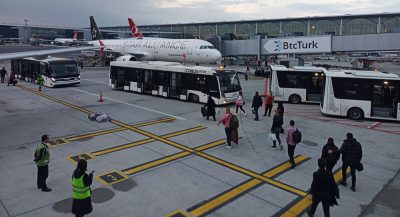
Turkey stands at the crossroads of Europe and Asia, making it one of the most strategically important aviation hubs in the world. Its airport network is designed to connect international travelers with global destinations while ensuring that domestic passengers have reliable access to every region of the country. The list of airports in Turkey includes large international airports that serve as global gateways and a wide range of domestic airports that connect smaller towns and cities. Together, these facilities support Turkey’s thriving tourism, trade, and transport sectors, highlighting the importance of both international airports in Turkey and domestic airports in Turkey within the broader aviation landscape.
Table of Contents
- List of Airports in Turkey
- International Airports in Turkey
- Domestic Airports in Turkey
- Summary Table of Airports in Turkey
- Top 10 Busiest Airports in Turkey
- Importance of Airports in Turkey
- Challenges Facing Airports in Turkey
- Future Outlook for Airports in Turkey
- Conclusion
International Airports in Turkey
1. Istanbul Airport (IST)
Istanbul Airport is the largest airport in Turkey and one of the busiest in the world, serving as the primary hub for Turkish Airlines and offering connections across Europe, Asia, Africa, and the Americas.
2. Sabiha Gökçen International Airport (SAW)
Located on Istanbul’s Asian side, Sabiha Gökçen serves as the city’s secondary international airport, handling both global and domestic traffic for millions of passengers annually.
3. Antalya Airport (AYT)
Antalya Airport is one of the busiest airports in Turkey due to tourism, handling millions of international arrivals each year, especially during the summer season.
4. Ankara Esenboğa Airport (ESB)
As the capital’s main airport, Ankara Esenboğa manages both domestic and international flights, providing vital connections between Turkey’s political center and global destinations.
5. Izmir Adnan Menderes Airport (ADB)
Serving western Turkey, Izmir Airport supports international routes across Europe while remaining a major domestic hub for the Aegean region.
6. Bodrum-Milas Airport (BJV)
Bodrum Airport operates both international and domestic services, catering mainly to tourists visiting the resorts along the Aegean coast.
7. Dalaman Airport (DLM)
Dalaman Airport serves southwestern Turkey with heavy seasonal traffic from European countries, complementing domestic routes to major cities.
8. Trabzon Airport (TZX)
Trabzon Airport handles domestic traffic and some international flights, acting as a gateway to the Black Sea region.
9. Gaziantep Oğuzeli Airport (GZT)
Located in southeastern Turkey, Gaziantep Airport handles international and domestic flights, supporting one of the country’s most industrialized regions.
10. Adana Şakirpaşa Airport (ADA)
Adana Airport operates both international and domestic flights, linking the Çukurova region with Europe and the Middle East.
Domestic Airports in Turkey
1. Kayseri Erkilet Airport (ASR)
Located in central Anatolia, Kayseri Airport primarily handles domestic flights and is crucial for tourism in Cappadocia.
2. Konya Airport (KYA)
Konya Airport connects central Turkey with major cities like Istanbul and Ankara, serving both civilian and military functions.
3. Nevşehir Kapadokya Airport (NAV)
This airport is essential for Cappadocia tourism, providing domestic routes mainly to Istanbul and Ankara.
4. Erzurum Airport (ERZ)
Situated in eastern Turkey, Erzurum Airport focuses on domestic travel, particularly serving the winter tourism industry.
5. Van Ferit Melen Airport (VAN)
Van Airport connects the eastern region to Istanbul, Ankara, and Izmir, providing vital access for business and tourism.
6. Diyarbakır Airport (DIY)
This southeastern hub primarily supports domestic routes, linking the region with Istanbul, Ankara, and Izmir.
7. Hatay Airport (HTY)
Located in southern Turkey, Hatay Airport focuses mainly on domestic routes while supporting humanitarian activities in the region.
8. Samsun Çarşamba Airport (SZF)
Samsun Airport is a domestic hub for the Black Sea region, linking the northern coast with central and western Turkey.
9. Malatya Erhaç Airport (MLX)
This airport serves eastern Turkey with frequent domestic flights connecting to major Turkish cities.
10. Mardin Airport (MQM)
Mardin Airport is primarily domestic, providing connectivity for southeastern Turkey and boosting cultural tourism.
Summary On List of Airports in Turkey
| Airport | Category | Key Notes |
|---|---|---|
| Istanbul Airport (IST) | International | Largest airport in Turkey, global hub |
| Sabiha Gökçen (SAW) | International | Istanbul’s second international airport |
| Antalya Airport (AYT) | International | Major tourist hub in southern Turkey |
| Ankara Esenboğa (ESB) | International | Capital city airport with international links |
| Izmir Adnan Menderes (ADB) | International | Connects Aegean region with Europe |
| Bodrum-Milas (BJV) | International | Supports coastal tourism in Bodrum |
| Dalaman (DLM) | International | Key seasonal hub for Mediterranean tourism |
| Trabzon (TZX) | International | Gateway to Black Sea, mixed traffic |
| Gaziantep Oğuzeli (GZT) | International | Serves southeastern Turkey’s industries |
| Adana Şakirpaşa (ADA) | International | Çukurova region, domestic and global links |
| Kayseri Erkilet (ASR) | Domestic | Domestic hub for Cappadocia tourism |
| Konya (KYA) | Domestic | Civil and military domestic hub |
| Nevşehir Kapadokya (NAV) | Domestic | Domestic airport serving Cappadocia |
| Erzurum (ERZ) | Domestic | Winter tourism and domestic flights |
| Van Ferit Melen (VAN) | Domestic | Eastern Turkey’s key domestic hub |
| Diyarbakır (DIY) | Domestic | Southeastern hub with domestic focus |
| Hatay (HTY) | Domestic | Domestic connectivity with humanitarian role |
| Samsun Çarşamba (SZF) | Domestic | Domestic hub for Black Sea region |
| Malatya Erhaç (MLX) | Domestic | Domestic hub for eastern Turkey |
| Mardin (MQM) | Domestic | Supports southeastern Turkey tourism |
Top 10 Busiest Airports in Turkey
- Istanbul Airport (IST) – Turkey’s busiest and most significant airport with over 60 million passengers annually.
- Sabiha Gökçen Airport (SAW) – The second Istanbul hub, handling heavy domestic and regional traffic.
- Antalya Airport (AYT) – Major tourist gateway with massive seasonal passenger flows.
- Ankara Esenboğa Airport (ESB) – Political and administrative center’s busiest hub.
- Izmir Adnan Menderes Airport (ADB) – Important for both tourism and commerce in the Aegean region.
- Trabzon Airport (TZX) – Popular for Black Sea tourism, high domestic demand.
- Adana Şakirpaşa Airport (ADA) – Key hub for the Çukurova region with high domestic flows.
- Gaziantep Oğuzeli Airport (GZT) – Southeastern industrial hub with busy traffic.
- Kayseri Erkilet Airport (ASR) – Domestic hub linked with Cappadocia tourism.
- Diyarbakır Airport (DIY) – Busy southeastern hub with steady domestic growth.
Importance of Airports in Turkey
Airports in Turkey are central to the country’s role as a global transport hub, connecting international passengers from across continents while ensuring reliable domestic access to every region. They strengthen the tourism industry by linking destinations such as Cappadocia, Antalya, and Trabzon with both local and international visitors. In addition, airports support business, manufacturing, logistics, and cultural exchange, demonstrating that Turkey’s aviation sector is not just about passenger travel but also about sustaining national growth and regional development.
Challenges Facing Airports in Turkey
Airports in Turkey face significant challenges including congestion at Istanbul hubs, uneven passenger distribution, and the need for upgrades in smaller domestic airports. Environmental sustainability is a growing issue, particularly in tourist-heavy regions, while economic fluctuations and geopolitical factors occasionally affect passenger flows. Despite these obstacles, investments in modernization and regional development continue to mitigate long-term risks.
Future Outlook for Airports in Turkey
The future of Turkey’s airports is focused on growth, innovation, and sustainability. Expansion projects at Istanbul Airport, modernization of domestic hubs, and integration of digital technology for smoother passenger experiences are already underway. Turkey is also prioritizing green airport initiatives to ensure environmental responsibility. With rising domestic demand and international transit traffic, airports in Turkey are poised to solidify their role as vital global and regional connectors in the coming decades.
DISCOVER ALSO: List of Airlines in Turkey: International and Domestic Airlines
Frequently Asked Questions
Here are some of frequently Asked Questions on the list of airports in Turkey:
1. How many airports are there in Turkey?
Turkey has more than 55 airports, including large international hubs and smaller domestic airports spread across different regions.
2. Which is the busiest airport in Turkey?
Istanbul Airport (IST) is the busiest airport in Turkey, handling over 60 million passengers annually and serving as a global aviation hub.
3. What are the major international airports in Turkey?
The main international airports include Istanbul Airport, Sabiha Gökçen Airport, Antalya Airport, Ankara Esenboğa Airport, and Izmir Adnan Menderes Airport.
4. Which Turkish airports are important for tourism?
Antalya, Bodrum-Milas, Dalaman, Nevşehir Kapadokya, and Kayseri Erkilet airports are crucial for tourism in coastal and historical regions.
5. Do all Turkish airports serve international flights?
No, while some airports are international, many operate domestic routes only, connecting smaller towns and regions with major cities.
6. Which airport serves as the capital city’s main hub?
Ankara Esenboğa Airport (ESB) serves as the capital’s primary hub, managing both domestic and international traffic.
7. What role do domestic airports play in Turkey?
Domestic airports ensure connectivity between smaller cities and larger hubs, supporting regional tourism, business, and local economies.
8. Are Turkish airports modern and well-equipped?
Yes, many Turkish airports, including Istanbul and Antalya, feature modern infrastructure, with ongoing upgrades in smaller domestic airports.
9. What challenges do airports in Turkey face?
Challenges include congestion in Istanbul, seasonal passenger fluctuations in tourist airports, and the need for greener, sustainable operations.
10. What is the future of Turkish airports?
The future outlook is promising, with continued expansion at Istanbul Airport, modernization of regional hubs, and increased sustainability initiatives.
SEE ALSO: Major Cities and Towns In Turkey – Descriptions and Attractions
Conclusion
The list of airports in Turkey shows a well-structured aviation system combining international mega-hubs with smaller domestic airports that ensure connectivity across the nation. From Istanbul’s global role to regional airports supporting tourism and trade, Turkey’s aviation network is designed for both present needs and future growth. With ongoing investments and strategic planning, airports in Turkey will remain a cornerstone of international travel and national development.