
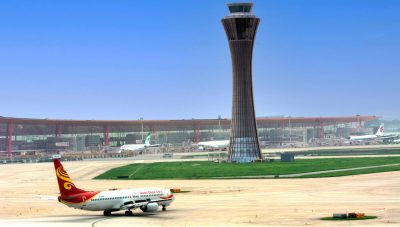
China is home to one of the world’s largest and fastest-growing aviation networks, with hundreds of airports that connect its vast geography of bustling megacities, cultural landmarks, economic hubs, and remote regions. The country has invested heavily in expanding and modernizing both its international and domestic airports to serve rising passenger traffic, cargo needs, and regional development. This comprehensive guide provides the updated list of airports in China, categorized into international and domestic facilities, along with their roles in connecting people, trade, and tourism. From Beijing Capital International Airport to smaller domestic airports serving remote areas, this list of airports in China showcases the backbone of the country’s transportation system.
Table of Contents
- List of International Airports in China
- List of Domestic Airports in China
- Summary Table of Airports in China
- Top 10 Busiest Airports in China
- Importance of Airports in China
- Challenges Facing China’s Aviation Sector
- Future Outlook for China’s Airports
- Conclusion
List of International Airports in China
1. Beijing Capital International Airport (Beijing)
Beijing Capital International Airport is the second busiest airport in the world and a major hub for both international and domestic flights, serving as the gateway to China’s capital with advanced facilities and extensive global connections.
2. Shanghai Pudong International Airport (Shanghai)
Shanghai Pudong International Airport is one of Asia’s busiest international gateways, handling millions of passengers and cargo shipments annually, while serving as a global hub for trade, business, and tourism.
3. Guangzhou Baiyun International Airport (Guangdong Province)
Guangzhou Baiyun International Airport is a key transportation hub in southern China, offering extensive international connections and acting as a major center for business travelers and cargo traffic.
4. Chengdu Shuangliu International Airport (Sichuan Province)
Chengdu Shuangliu International Airport connects China’s western provinces with destinations across Asia, Europe, and North America, while also being a cultural gateway to the Sichuan region.
5. Shenzhen Bao’an International Airport (Guangdong Province)
Shenzhen Bao’an International Airport supports the fast-growing technology and industrial hub of Shenzhen with direct connections to Asia, Europe, and North America.
6. Kunming Changshui International Airport (Yunnan Province)
Kunming Changshui International Airport serves as an important hub linking China with Southeast Asia and South Asia, while also handling significant domestic traffic.
7. Xi’an Xianyang International Airport (Shaanxi Province)
Xi’an Xianyang International Airport is the largest airport in northwest China, linking historical sites like the Terracotta Army with international destinations.
8. Hangzhou Xiaoshan International Airport (Zhejiang Province)
Hangzhou Xiaoshan International Airport is a vital international hub for the Yangtze River Delta, providing both business and tourism access to the region.
9. Haikou Meilan International Airport (Hainan Province)
Haikou Meilan International Airport connects the tropical island of Hainan with regional and international destinations, supporting tourism and trade.
10. Qingdao Jiaodong International Airport (Shandong Province)
Qingdao Jiaodong International Airport is one of China’s newest large airports, designed to handle significant international and domestic passenger traffic.
List of Domestic Airports in China
1. Changsha Huanghua International Airport (Hunan Province)
While handling some international flights, Changsha Huanghua primarily supports domestic travel across central China, linking regional hubs with coastal cities.
2. Dalian Zhoushuizi International Airport (Liaoning Province)
Dalian Zhoushuizi Airport focuses heavily on domestic routes within northeastern China, catering to tourism and economic exchanges in the Bohai region.
3. Harbin Taiping International Airport (Heilongjiang Province)
Harbin Taiping Airport is essential for northeastern China’s connectivity, handling winter tourism traffic to Harbin’s ice festivals alongside domestic routes.
4. Lhasa Gonggar Airport (Tibet Autonomous Region)
Lhasa Gonggar Airport connects Tibet with major Chinese cities, providing essential domestic services to one of the most remote and elevated regions in the country.
5. Nanning Wuxu International Airport (Guangxi Province)
Although carrying “international” status, Nanning Wuxu primarily supports domestic flights and acts as a hub for southern China’s regional development.
6. Urumqi Diwopu International Airport (Xinjiang Autonomous Region)
Urumqi Diwopu serves western China, linking the Xinjiang region with the rest of the country, while also providing limited connections to neighboring countries.
7. Shijiazhuang Zhengding International Airport (Hebei Province)
Shijiazhuang Zhengding Airport primarily functions as a domestic hub near Beijing, supporting local connectivity and acting as a reliever airport for the capital.
8. Guiyang Longdongbao International Airport (Guizhou Province)
Guiyang Longdongbao is a growing domestic hub in southwest China, connecting rural and mountainous areas with urban centers across the country.
9. Lanzhou Zhongchuan International Airport (Gansu Province)
Lanzhou Zhongchuan Airport is a crucial link in western China, serving primarily domestic flights that connect the Silk Road corridor.
10. Xiamen Gaoqi International Airport (Fujian Province)
Xiamen Gaoqi Airport serves both domestic and some international routes but is most important for linking Fujian with major Chinese cities.
Summary Table of Airports in China
| Airport Name | Province/City | Category |
|---|---|---|
| Beijing Capital International | Beijing | International |
| Shanghai Pudong International | Shanghai | International |
| Guangzhou Baiyun International | Guangdong | International |
| Chengdu Shuangliu International | Sichuan | International |
| Shenzhen Bao’an International | Guangdong | International |
| Kunming Changshui International | Yunnan | International |
| Xi’an Xianyang International | Shaanxi | International |
| Hangzhou Xiaoshan International | Zhejiang | International |
| Haikou Meilan International | Hainan | International |
| Qingdao Jiaodong International | Shandong | International |
| Changsha Huanghua International | Hunan | Domestic |
| Dalian Zhoushuizi International | Liaoning | Domestic |
| Harbin Taiping International | Heilongjiang | Domestic |
| Lhasa Gonggar Airport | Tibet | Domestic |
| Nanning Wuxu International | Guangxi | Domestic |
| Urumqi Diwopu International | Xinjiang | Domestic |
| Shijiazhuang Zhengding International | Hebei | Domestic |
| Guiyang Longdongbao International | Guizhou | Domestic |
| Lanzhou Zhongchuan International | Gansu | Domestic |
| Xiamen Gaoqi International | Fujian | Domestic |
Top 10 Busiest Airports in China
- Beijing Capital International Airport (Beijing)
- Shanghai Pudong International Airport (Shanghai)
- Guangzhou Baiyun International Airport (Guangdong)
- Chengdu Shuangliu International Airport (Sichuan)
- Shenzhen Bao’an International Airport (Guangdong)
- Kunming Changshui International Airport (Yunnan)
- Xi’an Xianyang International Airport (Shaanxi)
- Chongqing Jiangbei International Airport (Chongqing)
- Hangzhou Xiaoshan International Airport (Zhejiang)
- Nanjing Lukou International Airport (Jiangsu)
Importance of Airports in China
Airports in China are critical drivers of economic growth, tourism development, and global trade. International hubs like Beijing, Shanghai, and Guangzhou serve as gateways to global markets, while domestic airports link remote provinces, enabling balanced regional development. Together, they support China’s role as a global economic leader.
Challenges Facing China’s Aviation Sector
Despite its growth, China’s aviation sector faces challenges such as airspace congestion, rapid passenger growth outpacing infrastructure in some regions, environmental concerns, and maintaining service efficiency across its vast network.
Future Outlook for China’s Airports
China continues to expand its aviation infrastructure, with new mega airports like Beijing Daxing International Airport showcasing advanced designs. Investments in digital technology, eco-friendly terminals, and regional expansion are set to further enhance China’s aviation system.
Frequently Asked Questions (FAQ)
1. How many airports are there in China?
China has over 250 civil airports, including both international and domestic airports, making it one of the largest aviation networks in the world.
2. What is the busiest airport in China?
Beijing Capital International Airport is the busiest airport in China, handling tens of millions of passengers annually and ranking among the world’s top airports.
3. What is the difference between international and domestic airports in China?
International airports in China handle overseas flights with customs and immigration facilities, while domestic airports primarily serve internal routes within the country.
4. Which Chinese airport has the most international connections?
Shanghai Pudong International Airport has the highest number of international connections, linking China to destinations across Asia, Europe, Africa, and the Americas.
5. Why are domestic airports important in China?
Domestic airports provide crucial connectivity across China’s vast regions, linking remote provinces, rural towns, and cultural sites with major urban hubs.
6. What role does Guangzhou Baiyun International Airport play in China’s aviation?
Guangzhou Baiyun International Airport serves as a major southern hub, connecting China to Southeast Asia, Africa, and beyond, while also handling significant cargo traffic.
7. Are there airports in remote regions like Tibet and Xinjiang?
Yes, airports such as Lhasa Gonggar Airport in Tibet and Urumqi Diwopu Airport in Xinjiang provide vital domestic links to these remote areas.
8. Which airports in China are important for tourism?
Airports such as Xi’an Xianyang (Terracotta Army), Guilin Liangjiang (karst mountains), and Haikou Meilan (Hainan Island) play key roles in tourism.
9. What is Beijing Daxing International Airport known for?
Beijing Daxing International Airport, known as the “starfish” airport, is one of the world’s most modern mega-airports, designed to reduce congestion at Beijing Capital.
10. How does China plan to expand its airport network in the future?
China is investing in new airports, terminal expansions, eco-friendly technology, and smart digital systems to meet rising passenger demand and global trade needs.
SEE ALSO: Major Cities and Towns in China – Complete List of 30 Cities
Conclusion
The list of airports in China highlights the massive scale and importance of its aviation sector. With world-class international hubs and hundreds of domestic airports serving regional needs, China’s airport network not only ensures connectivity within the country but also cements its position as a global transportation powerhouse.