
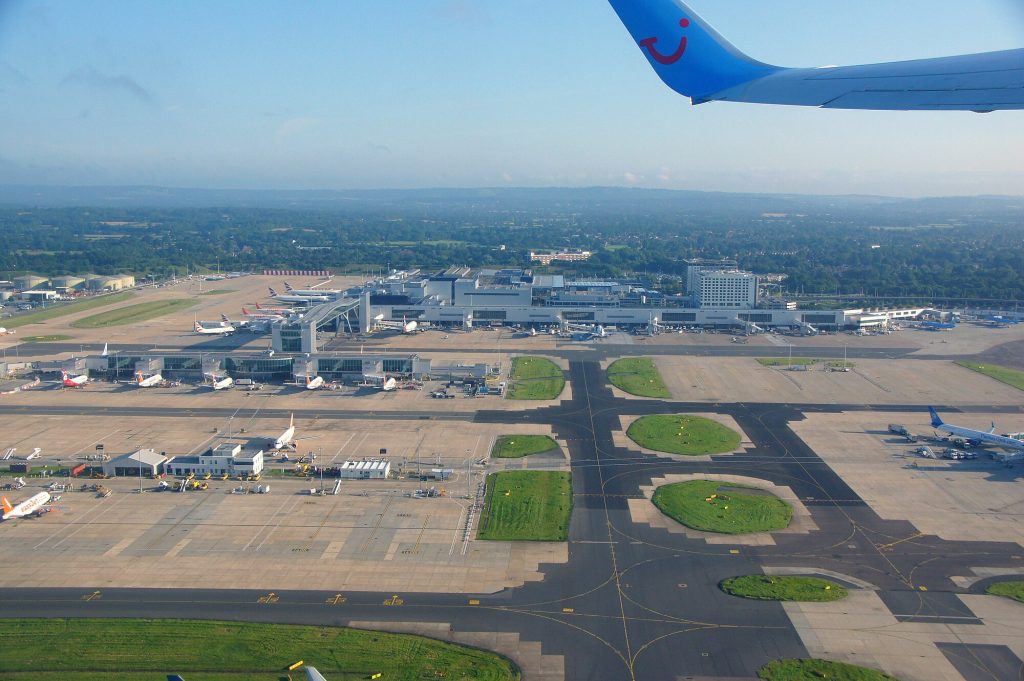
The United Kingdom is one of the busiest aviation hubs in the world, with airports that handle millions of passengers every year. While London Heathrow and Gatwick are globally recognized for their international reach, there is also an extensive network of regional and domestic airports that connect towns, cities, and remote regions across the UK. Together, these facilities form a comprehensive aviation system that supports business, tourism, and trade. In this article, we present the complete list of airports in the UK, covering both international and domestic facilities to show how they contribute to one of the strongest air transport networks in Europe.
International Airports in the UK
International airports serve as the primary gateways between the United Kingdom and destinations across Europe, Asia, the Americas, Africa, and beyond. These airports handle long-haul travel, global business routes, and holiday destinations, making them essential to the UK’s role as a global transport leader.
Major International Airports in the UK
Here are the Major List of Airports in the UK as International airports
- London Heathrow Airport (LHR) – The busiest airport in the UK and Europe, serving as a major hub for transatlantic and long-haul flights.
- London Gatwick Airport (LGW) – Known for its extensive European network and long-haul destinations.
- Manchester Airport (MAN) – The largest airport outside London, offering connections to North America, Asia, and the Middle East.
- Birmingham Airport (BHX) – A growing hub serving both European and intercontinental destinations.
- London Stansted Airport (STN) – Specializes in European and low-cost carrier flights.
- London Luton Airport (LTN) – A key hub for budget airlines operating mainly across Europe.
- Edinburgh Airport (EDI) – Scotland’s busiest airport, with connections to Europe, the Middle East, and North America.
- Glasgow Airport (GLA) – Serving international routes alongside domestic connections.
- Bristol Airport (BRS) – Growing steadily with European and seasonal international flights.
- Newcastle Airport (NCL) – A northern hub linking to Europe and selected long-haul destinations.
- Belfast International Airport (BFS) – Northern Ireland’s primary international gateway.
- Cardiff Airport (CWL) – Wales’s main international airport, linking to Europe and beyond.
Comparison Table of International Airports in the UK
| Airport Name | Location | Main Role/Connection |
|---|---|---|
| London Heathrow (LHR) | London | UK’s largest hub, global gateway |
| Manchester (MAN) | Manchester | Largest airport outside London |
| Edinburgh (EDI) | Scotland | Scotland’s busiest international hub |
| Birmingham (BHX) | Birmingham | Connects Midlands to global routes |
| Belfast International (BFS) | Northern Ireland | Primary gateway for NI |
Domestic Airports in the UK
Domestic airports form the backbone of internal UK travel. They provide essential links between smaller towns, rural areas, and large cities, ensuring that passengers can access major hubs and tourist destinations without relying only on rail or road transport. Many of these airports also handle short regional flights alongside their domestic routes.
Domestic Airports in England
- Southampton Airport
- Leeds Bradford Airport
- Exeter Airport
- Newquay Cornwall Airport
- Norwich Airport
- Teesside International Airport
- Doncaster Sheffield Airport (status: passenger flights suspended in 2022)
Domestic Airports in Scotland
- Dundee Airport
- Inverness Airport
- Kirkwall Airport
- Sumburgh Airport
- Stornoway Airport
Domestic Airports in Wales
- Anglesey Airport (RAF Valley)
- Cardiff Airport (handles both domestic and international flights)
Domestic Airports in Northern Ireland
- City of Derry Airport
- Belfast City Airport (George Best Belfast City Airport)
Comparison Table of Domestic Airports in the UK
| Region | Airport Name | Main Role/Connection |
|---|---|---|
| England | Southampton Airport | Links southern England to UK cities |
| England | Leeds Bradford Airport | Serves Yorkshire and northern England |
| Scotland | Inverness Airport | Gateway to the Scottish Highlands |
| Wales | Anglesey Airport | Connects Anglesey with Cardiff |
| Northern Ireland | Belfast City Airport | Key domestic hub for NI |
READ ALSO: Geographical Divisions of the UK: England, Scotland, Wales & NI
How International and Domestic Airports Work Together
The strength of the UK aviation system lies in how international and domestic airports complement each other. Domestic routes feed into international hubs, allowing passengers from smaller towns and regions to connect to global destinations. For instance, a traveler from Inverness can first fly to London Heathrow or Manchester before continuing on to North America or Asia.
This two-tier system ensures that even remote areas like the Scottish islands or Cornwall have access to international travel without requiring long road or rail journeys. It also helps to distribute passenger traffic, reducing pressure on the busiest international hubs.
Challenges Facing Airports in the UK
Airports across the UK face several challenges. Domestic airports often struggle with financial sustainability due to fluctuating passenger numbers and competition from rail networks. Environmental concerns and government policies aimed at reducing carbon emissions are also reshaping the demand for short-haul flights.
Meanwhile, international airports must continue investing in infrastructure and technology to manage growing passenger traffic while meeting sustainability targets. The balance between efficiency, affordability, and environmental responsibility will define the future of UK aviation.
Future of Air Travel in the UK
The future of airports in the UK will likely see greater integration between domestic and international travel. Advances in aviation technology, particularly in electric and hybrid aircraft, could make domestic routes more environmentally friendly, preserving the role of smaller airports.
At the same time, international airports are expected to expand their global reach, with growing demand from both leisure and business travelers. Government strategies focusing on regional development may also lead to increased support for domestic airports, ensuring that no part of the UK is left disconnected.
SEE ALSO: List of Airlines in UK: International and Domestic Airlines
Frequently Asked Questions (FAQs) on Airports in the UK
1. How many airports are there in the UK in total?
The United Kingdom has over 40 airports in operation, including major international hubs like Heathrow and Gatwick, as well as smaller domestic and regional airports that connect towns, cities, and rural areas.
2. Which is the largest and busiest airport in the UK?
London Heathrow Airport is the largest and busiest in the UK, handling more than 70 million passengers annually. It also ranks among the busiest airports in Europe and the world.
3. What is the difference between international and domestic airports in the UK?
International airports handle flights to and from overseas destinations, while domestic airports focus on internal routes within the UK. Some airports, such as Manchester and Edinburgh, serve both domestic and international flights.
4. Do all UK countries have international and domestic airports?
Yes, each country within the UK—England, Scotland, Wales, and Northern Ireland—has both international and domestic airports, ensuring connectivity across regions and to the rest of the world.
5. How do domestic airports support international air travel in the UK?
Domestic airports often act as feeder routes, allowing passengers from regional areas to connect to major international hubs like Heathrow, Gatwick, and Manchester for onward global travel.
SEE ALSO: Cheapest Cities in the UK for Students to Live and Study
Conclusion – List of Airports in the UK
The UK’s network of airports is among the most extensive in Europe, with international hubs connecting the country to the world and domestic airports ensuring seamless travel across its regions. International airports like Heathrow, Manchester, and Edinburgh dominate global travel, while regional airports such as Inverness, Southampton, and Belfast City guarantee accessibility to smaller communities. Together, they create a balanced aviation system that supports tourism, trade, and connectivity. The complete list of airports in the UK—both international and domestic—demonstrates how air travel remains vital to the country’s role as a global leader in transport and connectivity.