
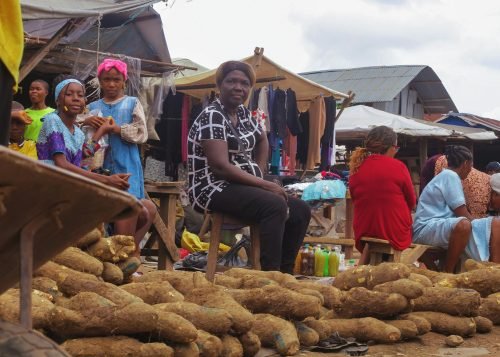
Yam cultivation plays a vital role in Nigeria’s agricultural economy and cultural identity, making the country the largest producer of yams in the world. As a major staple food, yam (Dioscorea spp.) is not only a source of carbohydrates for millions of Nigerians but also a significant crop in traditional ceremonies and local trade. Cultivated primarily in the Middle Belt and southern regions of Nigeria—such as Benue, Ebonyi, Enugu, Cross River, and Delta states—yam farming is largely done by small scale farmers using traditional tools and organic practices. Despite being labor-intensive, yam cultivation continues to thrive due to its economic importance, cultural value, and high local consumption demand. With increasing interest in commercial agriculture and improved farming techniques, yam cultivation in Nigeria holds great potential for food security, rural development, and export growth.
Table of Contents
- Introduction
- Meaning of yam cultivation
- Importance of Yam in Nigeria
- Ecological Requirements for Yam Cultivation
- Steps in Yam Cultivation
- Major Yam-Producing States in Nigeria
- Economic and Nutritional Value of Yam
- Common Challenges in Yam Production
- Solutions and Best Practices
- Conclusion
- Revision Questions and Answers.
Meaning of Yam Cultivation
Yam cultivation refers to the process of growing and managing yam plants—from land preparation and planting to harvesting and storage—for food, income, or industrial purposes. Yams are tuber crops belonging to the genus Dioscorea, and they are typically propagated using setts or pieces of tubers. In Nigeria, yam cultivation involves several traditional and modern agricultural practices aimed at producing healthy, high-yielding tubers. The process includes selecting quality seed yams, preparing fertile ridged or heaped soil, timely planting during the rainy season, and regular maintenance through staking, weeding, and pest control. Yam farming is seasonal, typically beginning around March to April and culminating in harvest between August and December, depending on the region and variety. The success of yam cultivation greatly depends on factors such as soil fertility, rainfall, temperature, and proper handling during post-harvest.
READ ALSO – Cassava Cultivation in Nigeria: Steps, Benefits and Challenges
Importance of Yam in Nigeria
Yam cultivation is critical to food security and rural development in Nigeria due to the following reasons:
- Staple Food Source: Yam is a primary carbohydrate source for millions of Nigerians and is prepared in various forms such as boiled yam, pounded yam, yam porridge, and yam flour.
- Economic Activity: It provides income to farmers, traders, and transporters and supports local industries.
- Cultural Significance: Yam festivals are celebrated in many parts of Nigeria, especially among the Igbo people, marking harvest seasons and communal unity.
- Export Potential: Nigeria exports yam to countries with a high African diaspora population, contributing to foreign exchange earnings.
Ecological Requirements for Yam Cultivation in Nigeria
Yam grows best in specific climatic and soil conditions:
- Climate: Yam requires a tropical climate with warm temperatures between 25°C and 30°C.
- Rainfall: Well-distributed rainfall of 1,000mm to 1,500mm annually is ideal.
- Soil: Fertile, well-drained sandy-loam or loamy soil with high organic content supports healthy tuber development.
- Sunlight: Yam needs full sunlight and should not be shaded by trees or tall crops.
- Topography: Slightly sloped or flat land is suitable, provided it is not prone to waterlogging.
Steps in Yam Cultivation in Nigeria
Yam cultivation involves several stages to ensure high yield and healthy tubers:
a. Land Preparation
Clear the land, remove weeds and stumps, and prepare mounds or ridges. Mounds are commonly used in southern Nigeria, while ridges are more popular in the middle belt.
b. Seed Selection
Use healthy yam setts (seed yams) from previous harvests. A sett should weigh between 200g to 500g, and should be disease-free with good sprouting potential.
c. Planting Season
Planting is usually done from February to April in southern Nigeria and April to June in the northern parts, depending on the onset of rainfall.
d. Planting Process
Plant one yam sett per mound or ridge, placing it 10–15 cm deep with the sprouting side facing up. Spacing should be about 1 meter apart to allow for proper growth.
e. Staking
Erect wooden stakes or bamboo poles to support the yam vines as they grow, improving photosynthesis and preventing vine damage.
f. Weed Control
Weed regularly during the first 3 to 4 months. This can be done manually or using selective herbicides.
g. Fertilization
Apply organic manure or NPK fertilizers based on soil fertility. Avoid over-fertilization as it may promote excessive vine growth over tuber development.
h. Harvesting
Yams are typically harvested between October and December, about 7 to 10 months after planting. Carefully dig around the mound to avoid bruising the tubers.
Yam Planting Season in Nigeria
The planting season for yam in Nigeria is closely tied to the beginning of the rainy season, as yam tubers require adequate soil moisture to sprout and establish well. Planting at the right time ensures optimal growth and high yield.
- Southern Nigeria:
In the southern regions where rainfall begins earlier, yam planting typically starts from February to April. This period offers the right soil temperature and moisture for sprouting. - Middle Belt and Northern Nigeria:
In these regions, where rains start a bit later, yam is usually planted from April to June, immediately after the first few consistent rains. This ensures the young yam setts have enough water to root properly. - Rain-fed vs. Irrigated Systems:
In areas with access to irrigation or water-retention systems, planting can begin slightly earlier than the onset of rains, though this is less common.
It is essential for farmers to monitor weather patterns and begin land preparation early so they can plant at the right time. Late planting may expose the crop to early dry seasons, which can significantly reduce yield and tuber size.
Major Yam-Producing States in Nigeria
Yam is cultivated in several regions, but the major producers include:
- Benue State – Known as the “food basket of the nation.”
- Nasarawa State
- Taraba State
- Enugu State
- Oyo State
- Ebonyi and Cross River States
These areas benefit from fertile soil, favorable rainfall, and skilled farming communities.
Economic and Nutritional Value of Yam
Yam has great significance both economically and nutritionally:
- Rich in Carbohydrates: Provides energy for daily activities.
- Contains Vitamins and Minerals: Including vitamin C, B6, potassium, and manganese.
- Market Demand: High demand both locally and for export due to its versatility in food processing.
- Employment Creation: Engages millions in farming, transportation, trading, and processing.
Common Challenges in Yam Production in Nigeria
Yam farmers in Nigeria face several problems that hinder productivity:
- High Cost of Inputs: Yam seed tubers, labor, and staking materials are expensive.
- Pests and Diseases: Yam beetles, nematodes, and fungal rots reduce yield.
- Storage Losses: Yams are prone to rot and pest damage during storage.
- Land Scarcity and Soil Depletion: Population pressure and poor land management reduce soil fertility.
- Limited Access to Mechanization: Most yam farming is still manual and labor-intensive.
- Market Fluctuations: Prices are unstable due to seasonal oversupply or scarcity.
Solutions and Best Practices
To improve yam cultivation in Nigeria, the following measures should be adopted:
- Use of Improved Varieties: Cultivate early-maturing and disease-resistant yams such as TDr 89/02665 and TDr 95/18544.
- Soil Testing and Fertilizer Application: Apply recommended fertilizer based on soil tests to boost yield.
- Mechanization: Introduce simple tools and equipment for planting, harvesting, and processing.
- Integrated Pest Management (IPM): Combine cultural, biological, and chemical control methods.
- Storage Technology: Use ventilated barns and natural insect repellents like dried pepper or neem leaves.
- Training and Extension Services: Educate farmers on improved agronomic practices and market trends.
Revision Questions and Answers
1. What is the scientific name of yam?
Dioscorea spp.
2. List three major yam-producing states in Nigeria.
Benue, Enugu, Nasarawa
3. When is yam usually planted in Nigeria?
Between February and April in the south; April to June in the north
4. Name two common pests that affect yam.
Yam beetles and nematodes
5. Mention two best practices to improve yam cultivation.
Use of improved seed varieties and application of organic fertilizers.
READ ALSO – Maize Cultivation in Nigeria: Methods, Benefits, and Challenges
Conclusion
Yam cultivation remains one of Nigeria’s most vital agricultural activities, providing food, income, and employment to millions. With the country’s favorable agro-climatic conditions, yam farming has the potential to significantly contribute to national food security and economic development. However, overcoming the challenges facing yam producers requires the combined efforts of farmers, government, researchers, and agro-industrial stakeholders. With proper support, yam cultivation in Nigeria can transition from subsistence to sustainable commercial farming.