
Irrigation is a vital agricultural practice that ensures crops receive adequate water for optimal growth, especially in areas with irregular or insufficient rainfall. It involves the artificial application of water to the soil or land to support plant development, improve yields, and maintain soil fertility. Understanding the types of irrigation, their specific methods, the aims behind each system, and their importance in farming is essential for farmers, agronomists, and students of agriculture. This knowledge helps in selecting the most suitable irrigation technique for different crops, soil types, and climatic conditions, ultimately enhancing agricultural productivity and sustainability.
Meaning Of Irrigation
Definition: Irrigation is defined as the artificial application of water to soil or land for farm purposes. In other words, Irrigation is the artificial application of water to the soil to supplement insufficient rainfall. Irrigation is mainly practiced in areas where there is insufficient rainfall. water is the most important determinant in growth of crops. The choices of irrigation system depends on:
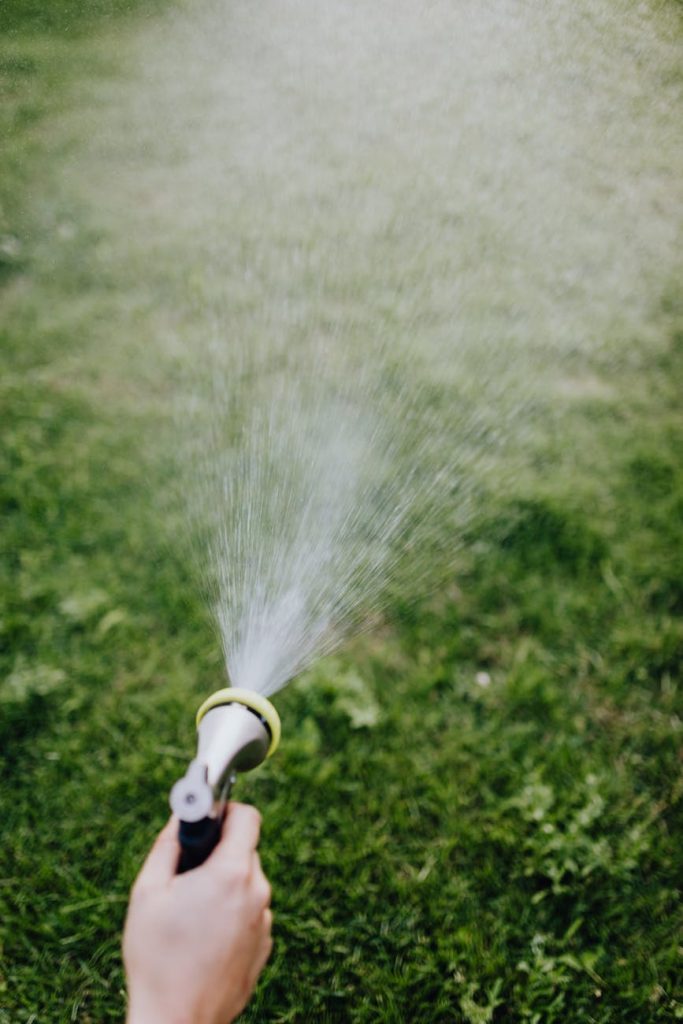
Characteristics of Irrigation
Purposeful Water Application: Irrigation involves the intentional and controlled application of water to crops for agricultural purposes.
Crop-Specific Requirements: Different crops have varying water needs, and irrigation systems are designed to meet these specific requirements.
Water Source: Irrigation can utilize various water sources, including rivers, lakes, wells, or reservoirs, depending on local availability.
Delivery Mechanisms: Irrigation employs diverse delivery methods, such as surface flooding, drip systems, sprinklers, or subsurface methods, tailored to the crops and landscape.
Seasonal Variation: Irrigation is often adjusted based on seasonal changes, adapting to the varying water needs of crops during different growth stages.
Water Management: Efficient water management is crucial to prevent issues like waterlogging, soil salinization, and other adverse effects on crops and soil health.
Technology Integration: Modern irrigation often incorporates technology, like sensors, automated controllers, and precision agriculture techniques, to optimize water usage and enhance efficiency.
Infrastructure: Irrigation systems include a network of canals, pipes, pumps, and other infrastructure components to convey and distribute water to the fields.
AIM OF IRRIGATION
1. To add water to the soil in other to supply moisture for plants growth.
2. To ensure the survival of Crops during droughts.
3. To cool the soil and the atmosphere, thereby making the environment more favourable for plant growth.
4. To make early planting possible.
TYPES OF IRRIGATION SYSTEMS
Types of Irrigation system can be grouped into three main classes which are; surface irrigation, subsurface irrigation and overhead irrigation.
Surface Irrigation: In this types of irrigation system, water from Rivers, dams or stream flows along the surface of the Land to farmland. This can be in form of channels, flooding, contour ditch, furrow, basin, border dyke, border ditch, etc. the most important condition for surface irrigation to be efficient is for the land to have a gentle slope towards the direction of the farmland.
Sub-Surface Irrigation system: In this types of irrigation system, water is applied below the soil surface by maintaining an artificial water level at certain depth. This however, depends on the type of crops and the nature of the soil. In all cases, perforated pipes are used to deliver water within the Soil, and this water gets to the root of crops through capillary action.
Overhead Irrigation system: In overhead types of irrigation system, water is supplied to the farmland above the surface of the soil.
Drip Irrigation: Precise amounts of water are delivered directly to the root zone of plants using a network of tubes or hoses.
Center Pivot Irrigation: A rotating sprinkler system mounted on wheeled towers irrigates a circular area of crops
Importance of Irrigation In agriculture
The following are the overall importance of irrigation in Agricultural practices:
- One of the importance of Irrigation is that it soften the soil for easy tillage operations.
- It provides moisture in the soil for root absorption.
- It also cools the soil by reducing the soil temperature during the dry season when the soil temperature is very high. plant growth is thus improved.
- It reduces the amount of salts accumulated in the top soil, which could be harmful to crop plants.
- Irrigation enables the crop to be well-established even when rain is erratic.
- irrigation provide humid environment for the breeding of pests and pathogens of crops.
- It helps in the improvement of microbial decomposition of organic manure to release nutrients for plants.
- Irrigation dissolves nutrient for root absorption.
- It assist in facilitating crop production all year round.
- Irrigation encourages the spread of weed seeds.
Disadvantages of Irrigation system
Below are the Disadvantages of irrigation system in agriculture:
Water Scarcity: Water scarcity is first Disadvantages of irrigation, Intensive irrigation can lead to over-extraction of water resources, causing water scarcity and environmental degradation.
Soil Salinization: Frequent irrigation without proper drainage can result in the accumulation of salts in the soil, adversely affecting plant growth and soil fertility.
High Costs: Installing and maintaining irrigation systems can be expensive, particularly for small-scale farmers, limiting access to this technology for some communities.
Ecological Impact: Excessive irrigation may lead to environmental issues such as waterlogging, loss of biodiversity, and alterations in natural ecosystems.
Waterlogging: Excessive irrigation can cause waterlogging, where water accumulates in the soil, hindering root growth and affecting plant health.
Erosion: Improper irrigation practices, such as furrow irrigation, can contribute to soil erosion, impacting the long-term health of the land.
Energy Consumption: Certain irrigation methods, like center pivot systems, require significant energy inputs, contributing to environmental concerns and operating costs.
Social Equity: Unequal access to irrigation resources can lead to disparities among farmers, affecting livelihoods and exacerbating social inequalities.
Summary: In irrigation, Balancing the benefits and challenges of irrigation is very important for sustainable agricultural practices.
Problems Associated with Irrigation
There are many problems associated with irrigation and these are:
- Inadequate water supply for irrigation.
- irrigation equipment is expensive.
- Pests from dry surrounding may invade and damage crops in irrigated Land.
- Disease causing organisms increase with increasing humidity.
- vectors of diseases like snail and tsetse fly breeds freely in irrigated areas.
- Irrigation equipment is very expensive to maintain.
- Lack of adequate technical know how on irrigation on the establishment and operations of irrigation scheme.
- Excessive dissolution of salt in irrigated water prevents proper growth of crops.
- It may lead to pollution, if it contains dangerous chemicals.
- It disturbs the free movement of Farm Machinery.
METHOD OF IRRIGATING A SMALL NURSERY
Small nursery can be irrigated through
- Manual sprinkling, e.g hand, brooms and brush.
- Use of watering can.
- drip irrigation.
- channel irrigation.
- sprinkling method of irrigation.
Sources of water for irrigation include river, lakes, streams, ponds, dames, boreholes, well and reservoirs.
Revision Questions on Types of Irrigation
- What is irrigation, and why is it important in agriculture?
- List the main aims of irrigation in farming.
- Name at least three types of irrigation and briefly describe them.
- How does irrigation improve crop yield and soil fertility?
- Explain the importance of choosing the right irrigation method for different crops
Frequently Asked Questions On the Types of Irrigation
What is irrigation?
Irrigation is the artificial application of water to crops or land to support plant growth, especially when rainfall is insufficient.
What are the main aims of irrigation?
The aims include ensuring adequate water supply, improving crop yield, maintaining soil fertility, and supporting year-round farming.
What are the different types of irrigation?
Common types of irrigation include surface irrigation, sprinkler irrigation, drip irrigation, and furrow irrigation.
How does irrigation benefit farmers?
Irrigation ensures consistent crop growth, reduces the risk of drought, increases yield, and allows multiple cropping in a year.
Which irrigation method is best for water conservation?
Drip irrigation is most efficient for conserving water because it delivers water directly to plant roots, minimizing waste.
Can irrigation affect soil quality?
Yes, proper irrigation improves soil moisture and fertility, but over-irrigation can lead to waterlogging and soil salinity if not managed correctly.