
China is home to one of the largest aviation systems in the world, with a rapidly growing number of domestic airports that connect its vast provinces, cities, and remote areas. While international airports play a major role in linking China to global destinations, domestic airports are the true backbone of the nation’s aviation network, ensuring that even the most distant regions remain connected to major economic and cultural hubs. The list of domestic airports in China is vital for business travel, tourism, and regional development, offering an intricate network that supports the daily lives of millions of passengers. This article provides the updated and comprehensive list of domestic airports in China by regions and locations, showcasing their significance in transportation, trade, and connectivity.
Table of Contents
- List of Domestic Airports in China
- Summary Table of Domestic Airports in China
- Top 10 Busiest Domestic Airports in China
- Importance of Domestic Airports in China
- Challenges Facing Domestic Airports in China
- Future Outlook of Domestic Airports in China
- Conclusion
List of Domestic Airports in China
1. Changsha Huanghua International Airport (Hunan Province)
Primarily serving domestic passengers across central China, Changsha Huanghua Airport links Hunan Province with Beijing, Shanghai, Guangzhou, and other regional hubs, boosting central China’s role in trade and culture.
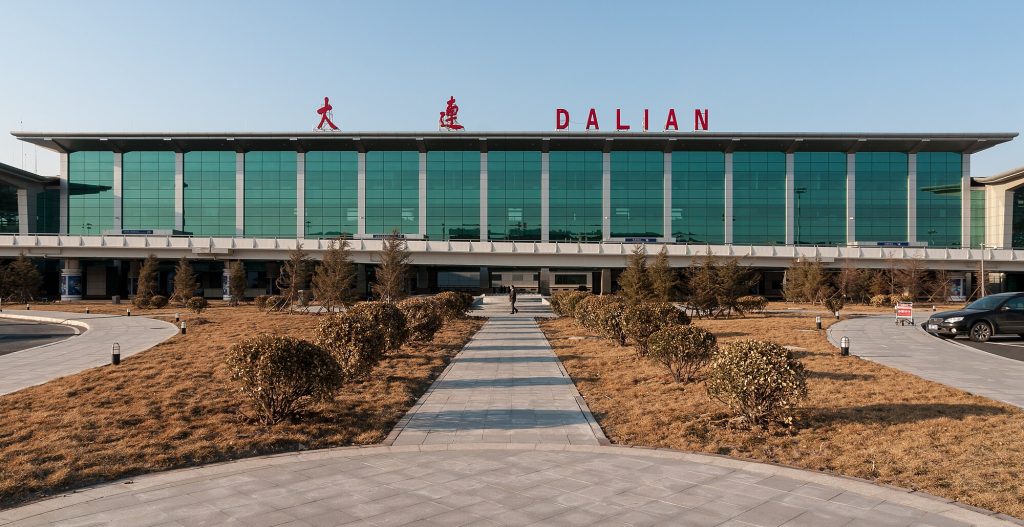
2. Dalian Zhoushuizi International Airport (Liaoning Province)
Although labeled “international,” Dalian Zhoushuizi mainly focuses on domestic flights, offering essential air travel connections for the northeastern region, especially for business and tourism within Liaoning Province.
3. Harbin Taiping International Airport (Heilongjiang Province)
Harbin Taiping Airport is the largest in Heilongjiang Province, primarily supporting domestic flights to major cities across China and handling heavy traffic during Harbin’s Ice and Snow Festival season.
4. Lhasa Gonggar Airport (Tibet Autonomous Region)
Lhasa Gonggar Airport is a lifeline for the remote region of Tibet, operating mostly domestic flights that connect Lhasa to Beijing, Chengdu, and other Chinese cities while overcoming high-altitude aviation challenges.
5. Nanning Wuxu International Airport (Guangxi Province)
Nanning Wuxu Airport functions largely as a domestic hub, serving the Guangxi Zhuang Autonomous Region with vital connectivity to southern and central Chinese cities.
6. Urumqi Diwopu International Airport (Xinjiang Autonomous Region)
Located in western China, Urumqi Diwopu handles mostly domestic traffic, linking Xinjiang’s remote areas with eastern Chinese provinces, while also serving as a key base for regional travel.
7. Shijiazhuang Zhengding International Airport (Hebei Province)
Close to Beijing, Shijiazhuang Zhengding Airport provides mainly domestic services, supporting travel demand in Hebei Province and reducing pressure on Beijing’s primary airports.
8. Guiyang Longdongbao International Airport (Guizhou Province)
Guiyang Longdongbao Airport supports southwest China’s domestic network, linking Guizhou Province with major cities like Guangzhou, Shanghai, and Chengdu, encouraging tourism and economic integration.
9. Lanzhou Zhongchuan International Airport (Gansu Province)
Situated in western China, Lanzhou Zhongchuan Airport primarily provides domestic connections, serving as a strategic hub for Silk Road cities and provincial capitals in the northwest.
10. Xiamen Gaoqi International Airport (Fujian Province)
Although it supports limited international services, Xiamen Gaoqi Airport mainly functions as a domestic hub, linking Fujian Province with other key Chinese cities.
11. Zhengzhou Xinzheng International Airport (Henan Province)
Zhengzhou Xinzheng Airport is a central domestic hub, serving millions of passengers each year and strengthening Henan’s role as a transport corridor in central China.
12. Hefei Xinqiao International Airport (Anhui Province)
Hefei Xinqiao Airport primarily operates domestic flights, connecting Anhui Province with Beijing, Shanghai, and other metropolitan centers for economic and educational exchanges.
13. Sanya Phoenix International Airport (Hainan Province)
Located on Hainan Island, Sanya Phoenix Airport mainly manages domestic tourism traffic, supporting visitors traveling from northern cities to Hainan’s tropical beaches.
14. Wenzhou Longwan International Airport (Zhejiang Province)
Wenzhou Longwan Airport focuses on domestic routes within Zhejiang Province, serving as a hub for business travelers and linking smaller cities to China’s wider aviation grid.
15. Yinchuan Hedong International Airport (Ningxia Hui Autonomous Region)
Yinchuan Hedong Airport supports Ningxia’s regional connectivity with domestic flights that provide essential links to Beijing, Xi’an, and other large cities.
Summary Table of Domestic Airports in China
| Airport Name | Province/Region | Category |
|---|---|---|
| Changsha Huanghua International | Hunan | Domestic |
| Dalian Zhoushuizi International | Liaoning | Domestic |
| Harbin Taiping International | Heilongjiang | Domestic |
| Lhasa Gonggar Airport | Tibet Autonomous Region | Domestic |
| Nanning Wuxu International | Guangxi | Domestic |
| Urumqi Diwopu International | Xinjiang | Domestic |
| Shijiazhuang Zhengding International | Hebei | Domestic |
| Guiyang Longdongbao International | Guizhou | Domestic |
| Lanzhou Zhongchuan International | Gansu | Domestic |
| Xiamen Gaoqi International | Fujian | Domestic |
| Zhengzhou Xinzheng International | Henan | Domestic |
| Hefei Xinqiao International | Anhui | Domestic |
| Sanya Phoenix International | Hainan | Domestic |
| Wenzhou Longwan International | Zhejiang | Domestic |
| Yinchuan Hedong International | Ningxia | Domestic |
Top 10 Busiest Domestic Airports in China
- Beijing Capital International Airport (domestic terminals)
- Shanghai Hongqiao International Airport
- Guangzhou Baiyun International Airport (domestic traffic)
- Chengdu Shuangliu International Airport
- Shenzhen Bao’an International Airport
- Kunming Changshui International Airport
- Xi’an Xianyang International Airport
- Chongqing Jiangbei International Airport
- Hangzhou Xiaoshan International Airport
- Nanjing Lukou International Airport
Importance of Domestic Airports in China
Domestic airports in China ensure strong connectivity between provinces and cities, support regional economies, and enable balanced national growth. They are particularly vital for remote provinces such as Tibet, Xinjiang, and Heilongjiang, where air transport is the fastest and sometimes the only reliable means of travel. These airports also strengthen cultural exchange and tourism, linking China’s iconic destinations with major population centers.
Challenges Facing Domestic Airports in China
China’s domestic airports face challenges such as uneven passenger distribution, infrastructure strain in high-demand regions, and the need for continuous modernization to match rapid growth. Environmental sustainability and integration with high-speed rail are also pressing concerns.
Future Outlook of Domestic Airports in China
China plans further expansion of its domestic aviation sector, including the development of new airports, upgrades to existing terminals, and improvements in digital and green technology. These initiatives aim to ensure smoother connectivity, better passenger experiences, and eco-friendly airport operations.
DISCOVER ALSO: Major Cities and Towns in China – Complete List of 30 Cities
Frequently Asked Questions (FAQ)
1. How many domestic airports are there in China?
China has more than 200 domestic airports, spread across provinces and regions, ensuring nationwide connectivity and supporting rapid air travel growth.
2. What is the busiest domestic airport in China?
Shanghai Hongqiao International Airport is the busiest domestic-focused airport in China, handling millions of passengers annually on internal routes.
3. Why are domestic airports important for China’s development?
Domestic airports connect rural and urban regions, improve tourism, enable business travel, and provide essential links for trade and healthcare services.
4. Which domestic airports serve remote areas of China?
Lhasa Gonggar Airport in Tibet and Urumqi Diwopu Airport in Xinjiang are lifelines for remote regions, offering vital links to major Chinese cities.
5. Do domestic airports in China also handle cargo?
Yes, many domestic airports such as Zhengzhou Xinzheng and Guiyang Longdongbao manage both passenger flights and domestic cargo operations.
6. What role does Shanghai Hongqiao Airport play in domestic travel?
Shanghai Hongqiao Airport primarily focuses on domestic routes, connecting Shanghai with major cities like Beijing, Guangzhou, Shenzhen, and Chengdu.
7. Which domestic airports are important for tourism in China?
Airports such as Sanya Phoenix, Harbin Taiping, and Guilin Liangjiang are crucial for tourism, serving destinations known for beaches, festivals, and natural beauty.
8. How do domestic airports support China’s economy?
They reduce travel time across provinces, connect industries with markets, and support sectors like mining, agriculture, and tourism in regional economies.
9. Are all airports labeled “international” in China truly international?
Not always. Several airports carry the “international” title but mainly handle domestic traffic, with occasional or seasonal overseas services.
10. What challenges do China’s domestic airports face?
Challenges include congestion in major hubs, uneven passenger flow in smaller airports, and the need for sustainable infrastructure to support long-term growth.
11. What is the future outlook for domestic airports in China?
China plans continued investment in regional airports, expansion of domestic flight routes, and integration with high-speed rail to enhance mobility nationwide.
See Also: List of International Airports in China (By City and Region)
Conclusion
The list of domestic airports in China reflects the scale and importance of the nation’s internal air transport network. By linking major cities with smaller regional centers, domestic airports play an essential role in mobility, trade, and national unity. As China continues to modernize its aviation system, these airports will remain a cornerstone of the country’s connectivity and development.