
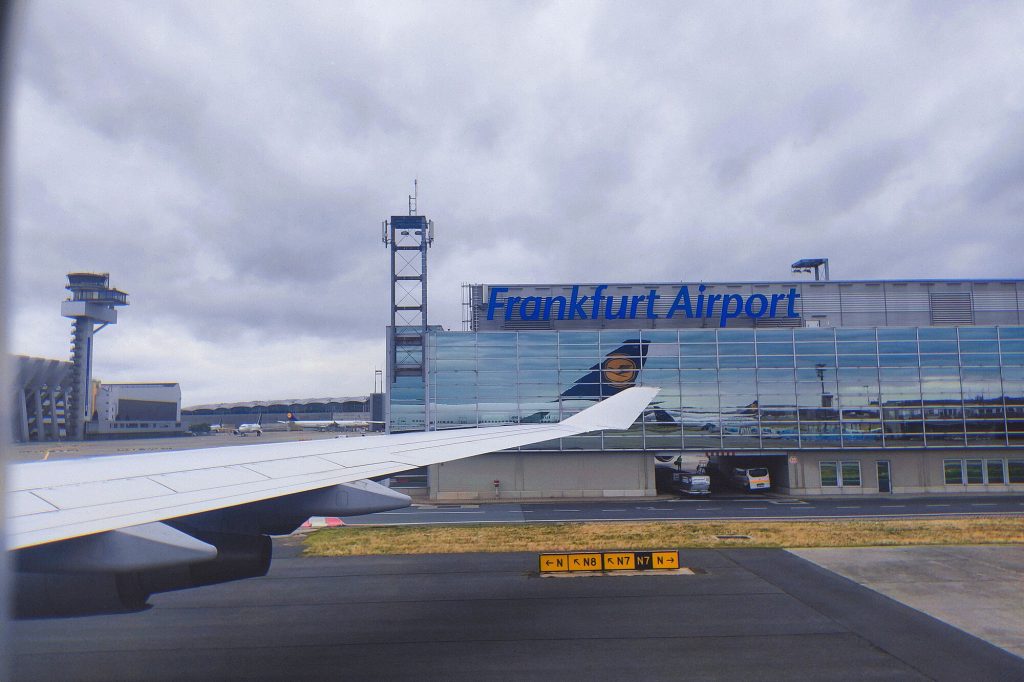
Germany is one of Europe’s largest and most advanced countries, with a strong economy, vibrant cities, and diverse tourist destinations. It is also a major transport hub, connecting Western Europe with Central and Eastern Europe while maintaining strong intercontinental links. Air travel is a central part of this system, supported by a wide range of airports that serve both international and domestic passengers. Germany’s aviation network includes some of the busiest airports in Europe, such as Frankfurt, Munich, and Berlin, along with smaller regional and domestic airports that ensure connectivity between all corners of the country. In this article, we present the complete list of airports in Germany, explaining the roles of both international and domestic airports in the national and global transportation system.
International Airports in Germany
Germany has a number of major international airports that connect the country with destinations across Europe, Asia, the Americas, Africa, and beyond. These airports handle the majority of Germany’s passenger traffic and serve as hubs for global airlines.
Key International Airports in Germany
- Frankfurt Airport (FRA) – Germany’s largest and busiest airport, one of the top hubs in Europe. It handles millions of international passengers each year and serves as Lufthansa’s main base.
- Munich Airport (MUC) – The second-largest airport in Germany and a major hub for southern Europe, with extensive long-haul connections.
- Berlin Brandenburg Airport (BER) – The capital’s airport, replacing the old Tegel and Schönefeld airports. It is a growing hub for both European and intercontinental flights.
- Düsseldorf Airport (DUS) – Western Germany’s busiest international airport, connecting North Rhine-Westphalia to the world.
- Hamburg Airport (HAM) – Northern Germany’s largest airport, with strong European and intercontinental connections.
- Cologne Bonn Airport (CGN) – Handles both passenger and cargo traffic, serving as a regional hub with international links.
- Stuttgart Airport (STR) – Important for southern Germany, with flights to major European cities and beyond.
- Hannover Airport (HAJ) – Serves Lower Saxony with both European and domestic connections.
- Nuremberg Airport (NUE) – A regional airport with growing international routes.
- Leipzig/Halle Airport (LEJ) – Known for cargo operations but also offers international and domestic flights.
List of Domestic Airports in Germany
Germany also has a wide network of domestic airports that serve regional cities and connect them with major hubs like Frankfurt, Munich, and Berlin. These airports are vital for business, tourism, and regional development.
Northern Germany
- Bremen Airport (BRE) – Regional airport serving northern Germany with domestic routes.
- Rostock-Laage Airport (RLG) – Provides limited domestic services in northeastern Germany.
Central Germany
- Erfurt-Weimar Airport (ERF) – Serves Thuringia with domestic routes.
- Kassel Airport (KSF) – Offers limited domestic services in central Germany.
Southern Germany
- Friedrichshafen Airport (FDH) – Serves the Lake Constance region with domestic flights.
- Memmingen Airport (FMM) – Functions as a regional hub, with some domestic services.
Western Germany
- Münster Osnabrück International Airport (FMO) – Supports domestic connections in North Rhine-Westphalia.
- Dortmund Airport (DTM) – Provides domestic and regional flights within Germany.
- Saarbrücken Airport (SCN) – Serves the Saarland region with domestic routes.
Eastern Germany
- Dresden Airport (DRS) – Provides domestic connections for Saxony.
Comparison Table of Airports in Germany
| Region | Airport Name | Category |
|---|---|---|
| Hesse | Frankfurt Airport (FRA) | International |
| Bavaria | Munich Airport (MUC) | International |
| Berlin | Berlin Brandenburg (BER) | International |
| North Rhine-West. | Düsseldorf Airport (DUS) | International |
| Baden-Württemberg | Stuttgart Airport (STR) | International |
| Saxony | Leipzig/Halle Airport (LEJ) | International |
| Lower Saxony | Hannover Airport (HAJ) | International |
| Thuringia | Erfurt-Weimar Airport (ERF) | Domestic |
| Saarland | Saarbrücken Airport (SCN) | Domestic |
| Bavaria | Memmingen Airport (FMM) | Domestic |
Busiest Airports in Germany
Germany’s busiest airports are also among the busiest in Europe, handling both international and domestic passenger traffic.
- Frankfurt Airport (FRA) – Over 70 million passengers annually in pre-pandemic years, serving as Germany’s largest aviation hub.
- Munich Airport (MUC) – Handles more than 40 million passengers, making it the second-busiest in the country.
- Berlin Brandenburg Airport (BER) – The capital’s new hub with growing annual passenger numbers.
- Düsseldorf Airport (DUS) – The busiest airport in North Rhine-Westphalia, handling millions of domestic and international travelers.
- Hamburg Airport (HAM) – Northern Germany’s main airport, with high passenger traffic.
Significance of Airports in Germany’s Transportation Network
Germany’s airports are central to its role as Europe’s economic powerhouse. They facilitate business travel, promote tourism, and support trade. Frankfurt, Munich, and Berlin connect Germany globally, while domestic airports ensure regional accessibility.
The coexistence of airports and Germany’s high-speed rail network highlights the country’s integrated transportation system. While rail dominates short-distance travel, airports remain essential for long-distance domestic routes and international connections.
READ ALSO: List of Airlines in Germany: International and Domestic Airlines
Frequently Asked Questions – List of Airports in Germany
1. How many international airports are there in Germany?
Germany has more than 10 major international airports, including Frankfurt, Munich, Berlin, Düsseldorf, Hamburg, Stuttgart, Cologne Bonn, Hannover, Leipzig/Halle, and Nuremberg.
2. Which is the busiest airport in Germany?
Frankfurt Airport (FRA) is the busiest airport in Germany, handling more than 70 million passengers in peak years and serving as one of Europe’s largest aviation hubs.
3. What are some of the important domestic airports in Germany?
Key domestic airports in Germany include Bremen, Dortmund, Dresden, Erfurt-Weimar, Friedrichshafen, Memmingen, Münster Osnabrück, and Saarbrücken, which connect regional cities to major hubs.
4. Does Berlin have more than one airport?
Currently, Berlin is served by Berlin Brandenburg Airport (BER), which replaced the old Tegel and Schönefeld airports to consolidate air travel into a single hub.
5. Which airport is best for traveling to Southern Germany?
Munich Airport (MUC) is the best option for Southern Germany, with extensive international and domestic connections, followed by Stuttgart Airport (STR) and Memmingen Airport (FMM).
6. Are Germany’s domestic airports connected to high-speed rail?
Yes, many airports such as Frankfurt, Munich, and Cologne Bonn have integrated high-speed rail links, allowing passengers to easily transfer between air and train travel.
7. Why are domestic airports important in Germany?
Domestic airports ensure regional connectivity across Germany, supporting business travel, tourism, and access to smaller cities that are not directly served by major international hubs.
SEE ALSO: List of Cities and Towns in Germany with Facts and Attractions
Conclusion – List of Airports in Germany
The complete list of airports in Germany shows the importance of both international and domestic aviation in maintaining connectivity across the country and beyond. International hubs like Frankfurt, Munich, and Berlin serve as gateways to the world, while domestic airports ensure that regional cities remain connected to the national network. Together, they support Germany’s economy, tourism industry, and role as a leader in global transportation.