
Digestive System of Grasshopper. Grasshoppers are fascinating insects with specialized adaptations for their herbivorous diet. Their digestive system, while simpler than that of more complex animals like mammals or birds, is highly efficient for breaking down plant material and absorbing essential nutrients. In this hall, we’ll take a closer look at the structure and function of the grasshopper’s digestive system, explaining how it processes food and extracts energy.
The Digestive System of Grasshopper
Overview of the Grasshopper Digestive System
The digestive system of a grasshopper is divided into several regions that handle the ingestion, digestion, absorption, and excretion of food. The key parts of the digestive system include:
- Mouthparts
- Esophagus
- Crop
- Gastric Cecae
- Midgut
- Hindgut
- Anus
Each section plays a vital role in breaking down food and absorbing nutrients.
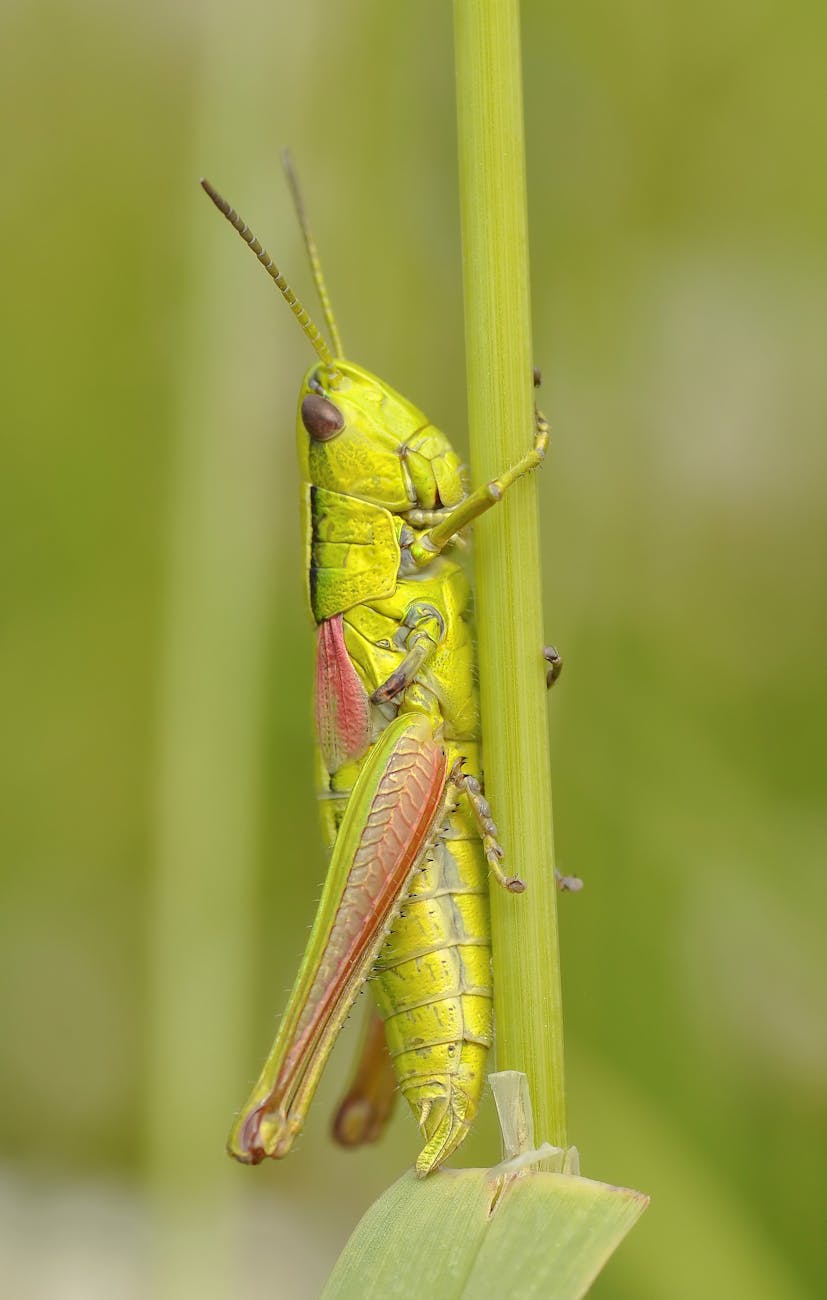
Step-by-Step Breakdown of the Digestive Process
1. Mouthparts
Grasshoppers use their specialized mouthparts to grasp and chew plant material. Their mandibles are large, strong, and adapted to cutting and grinding plant fibers. Additionally, they have maxillae and labium that help manipulate food and direct it toward the mouth.As grasshoppers are herbivores, they primarily consume leaves, grasses, and other plant material. The process of mastication (chewing) helps break down the food into smaller, more manageable pieces before swallowing.
2. Esophagus
After the food is chewed, it moves through the esophagus, a short tube that connects the mouth to the crop. The esophagus is lined with muscles that help move food toward the next stages of digestion.
3. Crop
The crop acts as a storage chamber in the grasshopper’s digestive system. This sac-like structure temporarily holds food before it is moved into the stomach for further processing. It allows the grasshopper to feed in bursts, storing food for later digestion.
4. Gastric Cecae
The gastric cecae are finger-like structures located near the junction of the crop and the midgut. These structures are important for digestion and absorption. They house symbiotic bacteria that help break down cellulose and other complex plant materials that the grasshopper’s own digestive enzymes cannot handle. This fermentation process aids in the breakdown of tough plant fibers, making them easier to digest and absorb.
5. Midgut
The midgut is where the majority of digestion and nutrient absorption occurs. Enzymes secreted by the grasshopper’s digestive system break down carbohydrates, proteins, and fats into smaller molecules that can be absorbed by the body. The digestive enzymes act on the plant material in the food, breaking down large molecules into simpler ones that can be absorbed across the gut lining and into the bloodstream.The midgut is lined with a membrane that absorbs the nutrients, which are then transported throughout the grasshopper’s body for energy and growth.
6. Hindgut
After passing through the midgut, the remaining material enters the hindgut, which is responsible for water and mineral absorption. The hindgut is a key area for conserving water, especially in environments where water is scarce. Grasshoppers, like many insects, are adapted to retain as much water as possible, which is essential for survival in dry conditions.The hindgut is divided into two parts:
- The ileum: This section absorbs additional nutrients and some water.
- The rectum: The final portion of the hindgut, where waste is concentrated and compacted for excretion.
7. Anus
Finally, the undigested and waste material is expelled from the grasshopper’s body through the anus. This waste consists of indigestible plant material and any remaining substances that the grasshopper does not need. The process of elimination helps the grasshopper maintain its internal balance and remove excess waste from the body.
Special Adaptations in Grasshopper Digestion
Grasshoppers have several adaptations that allow them to thrive on a diet primarily composed of plant material:
- Symbiotic Bacteria in the Gastric Cecae: These bacteria help break down complex plant fibers like cellulose, which the grasshopper itself cannot digest. This partnership enables grasshoppers to extract more nutrients from the plant material they consume.
- Efficient Water Conservation: The grasshopper’s ability to absorb water from its waste in the hindgut is an essential adaptation for life in arid environments. By reabsorbing water, the grasshopper minimizes water loss and maintains hydration.
- Relatively Short Digestion Process: Grasshoppers have a relatively fast digestive process, which is advantageous for their active lifestyle. Once food enters the midgut, digestion happens quickly, allowing the grasshopper to continue foraging and feeding.
Conclusion on the Digestive System of Grasshopper
The digestive system of a grasshopper, while not as complex as that of larger animals, is a finely tuned system that allows the insect to efficiently break down plant material and extract the nutrients it needs to survive. Through specialized structures like the crop, gastric cecae, and hindgut, grasshoppers can thrive on a herbivorous diet, even in harsh, dry environments. The symbiotic relationship between the grasshopper and its gut bacteria is particularly fascinating, as it demonstrates how species can rely on one another for survival.
Understanding the digestive process of grasshoppers provides insight into how even small, simple creatures can have incredibly effective systems for processing food and ensuring survival in their ecosystems. Whether you’re a student of biology or simply curious about the inner workings of the insect world, the grasshopper’s digestive system is a perfect example of nature’s ingenuity.
RELATED ARTICLES