
Title: Food Crop Production in Agriculture
Discover the importance of food crop production, challenges faced, and innovative solutions to meet the world’s growing food demands. Learn how sustainable agriculture practices can ensure global food security.
Food Crop Production, types and Importance
Introduction
As the global population grows, ensuring food security becomes a vital goal. Food crop production—cultivating plants for human consumption—plays a crucial role in meeting this demand. From grains like rice, wheat, and corn to vegetables, fruits, and legumes, food crops provide the foundation for global diets. The production of these crops not only sustains lives but also underpins local economies, national policies, and environmental stewardship.
In this hall we will study the essentials of food crop production, challenges in the sector, and strategies to increase yield and sustainability.
See Also
- Root crops to grow in your garden and when to grow
- Cash Crops in agriculture, meaning and importance
Classification Of Food Crops
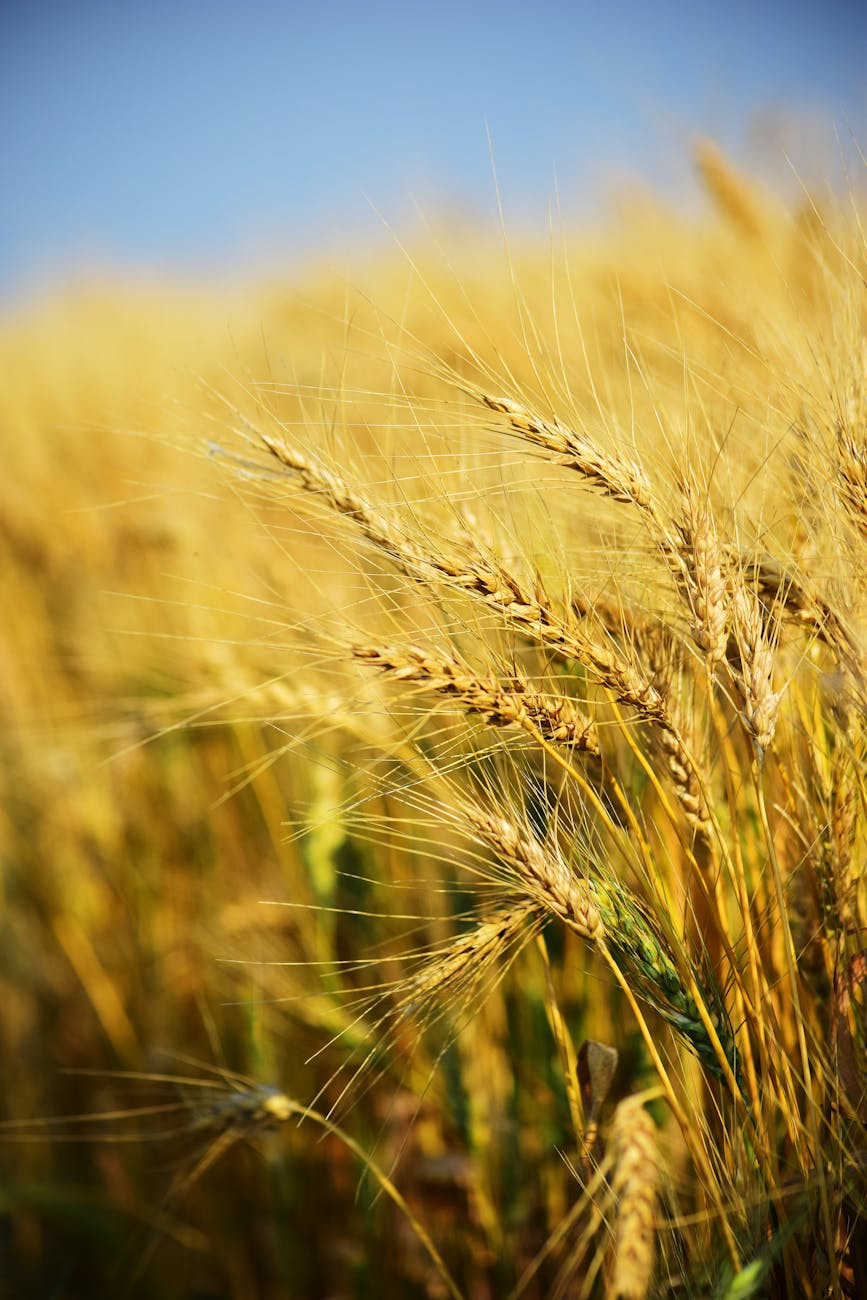
1. Grains
- Wheat
- Rice
- Corn (maize)
- Barley
- Oats
2. Legumes
- Beans
- Lentils
- Peas
- Chickpeas
3. Root Crops
- Potatoes
- Sweet potatoes
- Cassava
- Yams
4. Fruits
- Tomatoes
- Apples
- Bananas
- Oranges
5. Vegetables
- Leafy greens (lettuce, spinach)
- Cruciferous vegetables (broccoli, cauliflower)
- Carrots
- Onions
Types Of food crops ( major food crops)
- Cereal and grains
- Vegetables and fruit
- Legumes
- Roots and tubers
Cereals and grains: Rice, wheat, corn, barley, and oats form the basis of the human diet worldwide and supply most of the carbohydrates needed for energy
Vegetables and fruits: Potatoes, tomatoes, carrots, apples, and bananas provide essential vitamins, minerals, and fiber.
Legumes: Beans, peas, and lentils are essential sources of protein, especially in vegetarian and vegan diets.
Roots and tubers: Sweet potatoes, yams, and cassava are staple foods in many regions, particularly in Africa, especially in Nigeria, and Latin America.
Oilseeds: Sunflower, soybeans, and peanuts are grown for oil production, adding essential fats to diets.
Staple Food Crops
- Rice (Asia, Africa, Latin America)
- Wheat (Europe, North America, Middle East)
- Corn (Africa, Latin America, North America)
- Potatoes (Europe, Latin America)
- Cassava (Africa, Latin America).
The importance of food Crops
- Food Security
- Economic Growth
- Source of Income
- Resource Management
- Cultural and Social Value
- Biodiversity Conservation
- Adaptation to Climate Change
- Global Trade and Stability
- Health and Nutrition
- Innovation and Technological Advancement
Problems Of Food Crops
1. Climate Change: Extreme weather, changing rainfall patterns, and rising temperatures are altering growing seasons and threatening traditional crops. Climate change exacerbates water shortages, degrades soil, and can result in more frequent pest and disease outbreaks
2. Resource Constraints: Arable land and water are finite resources. As urbanization expands, the amount of land available for agriculture decreases, putting pressure on farmers to maximize output on less land.
3. Economic Pressures: Farmers face fluctuating crop prices, rising input costs, and limited access to financing. These factors make it difficult for small-scale farmers, especially in developing countries, to invest in sustainable practices.
4. Food Waste: Post-harvest losses due to improper storage, transportation issues, and inadequate processing facilities lead to significant food waste. Improving storage and transportation can prevent this waste and increase food availability.
Strategies for Improving Food Crop Production
Despite these challenges, innovative strategies can help increase food crop yields sustainably. Here are some of the most promising methods:
- Precision Agriculture: Using technology like GPS, sensors, and data analytics, precision agriculture optimizes planting, watering, and harvesting. By monitoring crop health in real time, farmers can reduce inputs, such as water and fertilizer, and increase yield.
- Sustainable Farming Practices: Practices like crop rotation, intercropping, conservation tillage, and cover cropping promote soil health and reduce reliance on synthetic chemicals. These methods preserve the environment while ensuring long-term productivity.
- Agroforestry: Integrating trees into farmland can protect crops from harsh weather, improve soil quality, and provide additional income through timber or fruit sales. Agroforestry supports biodiversity, combats erosion, and enhances land resilience.
- Organic Farming: Organic farming avoids synthetic pesticides and fertilizers, focusing instead on natural inputs like compost and biological pest control. Though yields can be lower, organic produce often sells at a premium and supports biodiversity
- Education and Farmer Support: Training programs, cooperative initiatives, and financial support can empower farmers to adopt best practices. Ensuring access to knowledge and resources is crucial for smallholder farmers, who produce much of the world’s food.
READ ALSO – Crop Husbandry Practices, Importance and Examples in Agriculture
Conclusion on Food Crop Production in Agriculture
Food crop production is essential for global food security, economic stability, and environmental sustainability. To meet future needs, agricultural practices must adapt to changing climates, resource constraints, and the evolving demands of consumers. By embracing sustainable methods and technological advances, farmers worldwide can increase productivity, reduce waste, and protect natural ecosystems.
Whether you’re a farmer, policymaker, consumer, or students, everyone can contribute to the future of food security by supporting sustainable practices that protect our environment and ensure nourishment for all.