
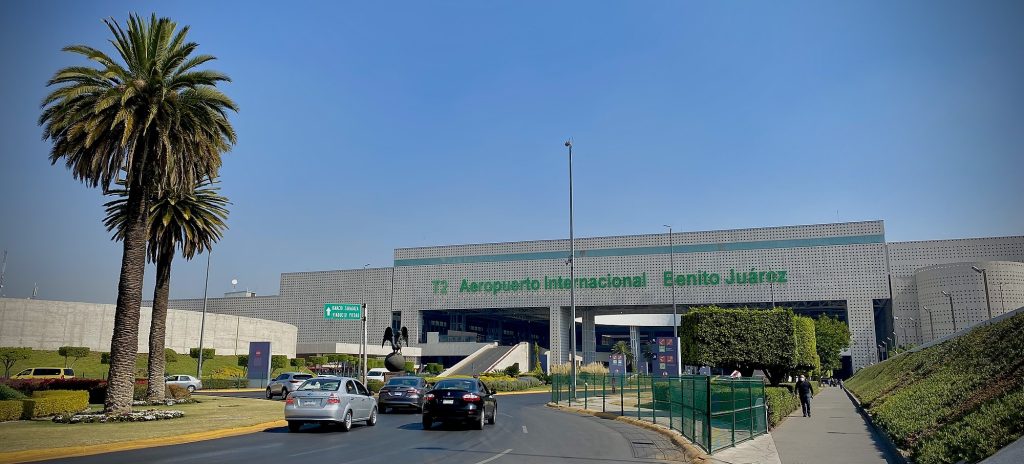
Mexico is one of the most visited countries in the world, known for its vibrant culture, historic heritage, thriving economy, and globally recognized tourist attractions. To support this growing demand for mobility and connectivity, Mexico has developed an extensive aviation system made up of international and domestic airports strategically located across different regions. From bustling global hubs like Mexico City International Airport to smaller domestic airports that link rural and regional areas, the list of airports in Mexico highlights the importance of aviation in tourism, business, and trade. This article provides a complete and updated overview of the list of airports in Mexico, categorized into international and domestic airports, along with their roles, busiest facilities, and future outlook.
Table of Contents
- List of International Airports in Mexico
- List of Domestic Airports in Mexico
- Summary Table of Airports in Mexico
- Top 10 Busiest Airports in Mexico
- Importance of Airports in Mexico
- Challenges Facing Airports in Mexico
- Future Outlook of Airports in Mexico
- FAQ
- Conclusion
List of International Airports in Mexico
1. Mexico City International Airport (Mexico City)
Mexico City International Airport, also called Aeropuerto Internacional Benito Juárez, is the busiest and most important airport in Mexico, handling international and domestic flights with millions of passengers annually.
2. Cancún International Airport (Quintana Roo)
Cancún International Airport is one of Mexico’s top international gateways, serving millions of tourists traveling to the Riviera Maya and Caribbean coast.
3. Guadalajara International Airport (Jalisco)
Also known as Miguel Hidalgo y Costilla Airport, this hub connects Guadalajara with international destinations in the U.S., South America, and Europe.
4. Monterrey International Airport (Nuevo León)
Monterrey International Airport serves as a northern hub, linking the industrial capital of Mexico with key international cities in the United States and beyond.
5. Tijuana International Airport (Baja California)
Tijuana Airport is located on the U.S.-Mexico border and features the Cross Border Xpress bridge, allowing passengers to cross directly into San Diego.
6. Los Cabos International Airport (Baja California Sur)
Los Cabos International Airport supports heavy international traffic, serving the tourist centers of Cabo San Lucas and San José del Cabo.
7. Puerto Vallarta International Airport (Jalisco)
Puerto Vallarta Airport, officially Licenciado Gustavo Díaz Ordaz International, is one of Mexico’s most popular tourist airports, focusing on leisure travel.
8. Mérida International Airport (Yucatán)
Mérida International Airport supports both international and domestic operations, serving as a gateway to the Yucatán Peninsula’s rich cultural heritage.
9. Cozumel International Airport (Quintana Roo)
Cozumel International Airport serves the island of Cozumel, handling mainly international leisure travelers arriving for diving and beach vacations.
10. Hermosillo International Airport (Sonora)
Hermosillo International Airport, officially General Ignacio Pesqueira García Airport, serves the northwestern region of Mexico with international and domestic connectivity.
List of Domestic Airports in Mexico
1. Toluca International Airport (Mexico State)
Although designed for international use, Toluca Airport primarily serves domestic flights and is often used as an alternative to Mexico City International Airport.
2. Villahermosa International Airport (Tabasco)
Villahermosa Airport functions mainly as a domestic hub, linking the oil-rich region of Tabasco with Mexico City and other important destinations.
3. Tuxtla Gutiérrez International Airport (Chiapas)
Tuxtla Gutiérrez Airport, located in southern Mexico, primarily serves domestic routes, providing connections for business and tourism within Chiapas.
4. Culiacán International Airport (Sinaloa)
Culiacán International Airport focuses largely on domestic services, linking Sinaloa to Mexico’s major cities, while also supporting some international operations.
5. Chihuahua International Airport (Chihuahua)
Officially General Roberto Fierro Villalobos Airport, this airport serves as a key domestic hub in northern Mexico with flights to multiple national destinations.
6. Oaxaca International Airport (Oaxaca)
Oaxaca International Airport, though classified as international, primarily operates domestic services while welcoming tourists to Oaxaca’s cultural attractions.
7. Campeche International Airport (Campeche)
Campeche Airport supports mostly domestic routes, connecting the state of Campeche with Mexico City and regional hubs.
8. La Paz International Airport (Baja California Sur)
La Paz Airport is mainly domestic, supporting flights within Mexico while serving Baja California Sur’s capital and surrounding communities.
9. Zacatecas International Airport (Zacatecas)
Zacatecas Airport operates primarily as a domestic hub, handling flights to Mexico City and other central regions of the country.
10. Aguascalientes International Airport (Aguascalientes)
Aguascalientes Airport supports mostly domestic traffic, linking this industrial city with major Mexican destinations like Monterrey and Mexico City.
Summary Table of Airports in Mexico
| Airport Name | Location | Category |
|---|---|---|
| Mexico City International | Mexico City | International |
| Cancún International | Quintana Roo | International |
| Guadalajara International | Jalisco | International |
| Monterrey International | Nuevo León | International |
| Tijuana International | Baja California | International |
| Los Cabos International | Baja California Sur | International |
| Puerto Vallarta International | Jalisco | International |
| Mérida International | Yucatán | International |
| Cozumel International | Quintana Roo | International |
| Hermosillo International | Sonora | International |
| Toluca International | Mexico State | Domestic |
| Villahermosa International | Tabasco | Domestic |
| Tuxtla Gutiérrez International | Chiapas | Domestic |
| Culiacán International | Sinaloa | Domestic |
| Chihuahua International | Chihuahua | Domestic |
| Oaxaca International | Oaxaca | Domestic |
| Campeche International | Campeche | Domestic |
| La Paz International | Baja California Sur | Domestic |
| Zacatecas International | Zacatecas | Domestic |
| Aguascalientes International | Aguascalientes | Domestic |
Top 10 Busiest Airports in Mexico
- Mexico City International Airport
- Cancún International Airport
- Guadalajara International Airport
- Monterrey International Airport
- Tijuana International Airport
- Los Cabos International Airport
- Puerto Vallarta International Airport
- Mérida International Airport
- Culiacán International Airport
- Hermosillo International Airport
Importance of Airports in Mexico
Airports in Mexico are crucial for supporting tourism, trade, and domestic connectivity across the country’s 32 states. The aviation network helps drive the Mexican economy by linking international visitors with popular vacation destinations, connecting industries with global supply chains, and providing a reliable mode of transportation across vast distances. Domestic airports are equally important as they facilitate regional travel, improve access to healthcare and education, and encourage tourism in cultural and historic cities beyond major hubs. Together, international and domestic airports in Mexico create an integrated transportation system that strengthens the nation’s role as a global tourist and economic powerhouse, while also ensuring inclusive regional development and balanced growth across diverse communities.
Challenges Facing Airports in Mexico
Despite its rapid growth, Mexico’s aviation sector faces significant challenges such as infrastructure capacity, congestion at major hubs, and uneven development across rural airports. Mexico City International Airport, for example, struggles with overcapacity and requires new projects like Felipe Ángeles International Airport to reduce pressure. Environmental concerns, air traffic management issues, and high operating costs also create obstacles for smaller domestic airports. Additionally, the need to balance modernization with sustainable growth presents ongoing challenges for the government and private operators. Addressing these concerns is vital to ensure that the list of airports in Mexico continues to serve the nation effectively, enhancing both domestic and international connectivity while meeting global aviation standards for safety, efficiency, and environmental responsibility.
Future Outlook of Airports in Mexico
The future of airports in Mexico is promising, with continuous investment in infrastructure, technology, and service improvements. The opening of Felipe Ángeles International Airport in Mexico City is expected to complement existing facilities and reduce congestion, while upgrades at Cancún, Guadalajara, and Monterrey airports will accommodate rising passenger volumes. Domestic airports are set to benefit from digital advancements, eco-friendly initiatives, and improved regional connectivity, ensuring smoother travel experiences for millions of passengers. Mexico is also prioritizing sustainability by adopting green technologies and integrating smart systems into its airport operations. With these developments, the list of airports in Mexico will play an even greater role in supporting economic growth, boosting tourism, and positioning the country as a leader in Latin American aviation, making air travel more accessible, reliable, and environmentally conscious in the years ahead.
Frequently Asked Questions
1. How many international airports are there in Mexico?
Mexico has over 30 international airports, with the largest and busiest being Mexico City International Airport and Cancún International Airport.
2. What is the busiest airport in Mexico?
The busiest airport in Mexico is Mexico City International Airport (AICM), handling more than 40 million passengers annually.
3. Which Mexican airport is best for tourists visiting the Caribbean coast?
Cancún International Airport is the top choice for travelers heading to the Caribbean coast, serving destinations like Cancún, Playa del Carmen, and Tulum.
4. Are there domestic-only airports in Mexico?
Yes, Mexico has several domestic airports such as Villahermosa, Tuxtla Gutiérrez, and Zacatecas airports, which mainly handle national routes.
5. Does Mexico have a cross-border airport with the United States?
Yes, Tijuana International Airport is connected to San Diego, USA, via the Cross Border Xpress pedestrian bridge, offering unique cross-border access.
6. What is the newest major airport in Mexico?
The newest major airport is Felipe Ángeles International Airport (AIFA), designed to ease congestion at Mexico City International Airport.
7. Which airport serves as the main hub in northern Mexico?
Monterrey International Airport serves as the primary hub in northern Mexico, linking the region with both domestic and international destinations.
8. Are Mexican airports well connected to tourist destinations?
Yes, most major tourist areas such as Cancún, Los Cabos, Puerto Vallarta, and Oaxaca are directly served by international and domestic airports.
9. What challenges do Mexican airports face today?
Key challenges include overcapacity at major hubs, infrastructure limitations, environmental concerns, and the need for sustainable growth.
10. What is the future outlook for airports in Mexico?
The future looks positive, with new airports, ongoing expansions, and technology-driven upgrades to improve capacity, connectivity, and passenger experience.
SEE ALSO: List of Cities and Towns in Mexico – Location and Attractions
Conclusion
The list of airports in Mexico reflects a well-structured aviation system that balances international connectivity with domestic accessibility. From major hubs like Mexico City International Airport to smaller domestic airports that serve regional populations, Mexico’s aviation sector supports tourism, trade, and national growth. As the country continues to modernize and expand its airport infrastructure, the role of aviation in connecting people and economies will become even more central, solidifying Mexico’s position as a global travel destination and a competitive economic player.