
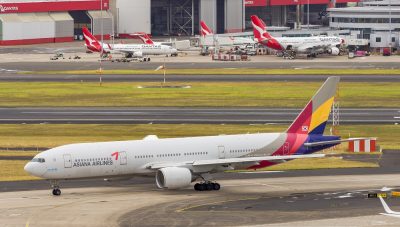
Australia is a vast island continent with major cities along its coasts and large stretches of rural and remote land in the interior. Air travel is one of the most important forms of transportation for both international connectivity and domestic movement across states and territories. The list of airports in Australia includes large international gateways that connect the country to the world as well as domestic airports that link communities within the nation. This article provides a detailed overview of the list of airports in Australia, presenting both international and domestic airports with structured descriptions and a summary table for easy reference.
Table of Contents
- Introduction
- List of Airports in Australia
- International Airports in Australia
- Domestic Airports in Australia
- Importance of International and Domestic Airports in Australia
- Challenges and Future Trends in Australian Aviation
- Conclusion
List of Airports in Australia: International and Domestic Airports
International Airports in Australia
1. Sydney Kingsford Smith International Airport (New South Wales)
Sydney Airport is the busiest airport in Australia, handling more than 40 million passengers annually. It serves as the country’s primary international gateway, connecting Australia with Asia, North America, Europe, and the Middle East.
2. Melbourne Tullamarine International Airport (Victoria)
Melbourne Airport is the second busiest in the country, offering extensive domestic and international services. It is an important hub for airlines and provides connections to Asia, North America, and Europe.
3. Brisbane International Airport (Queensland)
Located in Queensland, Brisbane Airport is the third busiest in Australia. It is the main hub for flights to the Asia-Pacific region and a key domestic hub for the state.
4. Perth International Airport (Western Australia):
Perth Airport is the largest in Western Australia and provides crucial international connections, particularly to Southeast Asia, the Middle East, and Europe.
5. Adelaide International Airport (South Australia):
Adelaide Airport is South Australia’s primary airport. It serves domestic travelers and provides international services to Asia, the Pacific, and the Middle East.
6. Darwin International Airport (Northern Territory):
Darwin Airport is the main air gateway to northern Australia. It provides both international services to Southeast Asia and extensive domestic routes across the Northern Territory.
7. Cairns International Airport (Queensland):
Cairns Airport connects Queensland to several Asian destinations and the Pacific while serving as a critical domestic hub for tourism in the Great Barrier Reef region.
8. Gold Coast International Airport (Queensland):
The Gold Coast Airport handles domestic and international flights, with services mainly to New Zealand and parts of Asia. It is popular with leisure travelers.
9. Canberra International Airport (Australian Capital Territory):
Canberra Airport primarily serves domestic passengers but also handles some international flights. It is the gateway to Australia’s capital city.
10. Hobart International Airport (Tasmania):
Hobart Airport is Tasmania’s largest airport, offering domestic flights and some international services, including seasonal routes to New Zealand.
Summary Table of International Airports in Australia
| Airport | State/Territory | Key Notes |
|---|---|---|
| Sydney Kingsford Smith International Airport | New South Wales | Busiest airport in Australia, main global hub |
| Melbourne Tullamarine International Airport | Victoria | Second busiest, connects to Asia, Europe, North America |
| Brisbane International Airport | Queensland | Major Asia-Pacific and domestic hub |
| Perth International Airport | Western Australia | Key link to Asia, Middle East, and Europe |
| Adelaide International Airport | South Australia | Main airport for South Australia with global services |
| Darwin International Airport | Northern Territory | Gateway to Southeast Asia and NT domestic routes |
| Cairns International Airport | Queensland | Hub for tourism, Great Barrier Reef region |
| Gold Coast International Airport | Queensland | Leisure-focused, routes to New Zealand and Asia |
| Canberra International Airport | Australian Capital Territory | Serves the capital, some international services |
| Hobart International Airport | Tasmania | Tasmania’s largest airport with limited international links |
Domestic Airports in Australia
1. Alice Springs Airport (Northern Territory)
Alice Springs Airport is a key domestic airport in central Australia, connecting remote desert communities with major cities like Adelaide, Darwin, and Sydney.
2. Newcastle Airport (New South Wales)
Newcastle Airport serves as a significant domestic hub for northern New South Wales, offering flights to Melbourne, Brisbane, and regional destinations.
3. Townsville Airport (Queensland)
Townsville Airport provides domestic connections across Queensland and to southern states, supporting both military and civilian operations.
4. Rockhampton Airport (Queensland)
Rockhampton Airport is a central Queensland hub, serving domestic travelers and supporting agricultural and mining industries.
5. Launceston Airport (Tasmania)
Launceston Airport is the second busiest airport in Tasmania, handling domestic flights primarily to Melbourne and Sydney.
6. Mackay Airport (Queensland)
Mackay Airport serves Queensland’s coastal region, offering flights to Brisbane and other domestic hubs while supporting the local mining industry.
7. Albury Airport (New South Wales/Victoria border)
Albury Airport connects regional New South Wales and northern Victoria with Sydney and Melbourne, making it a critical regional airport.
8. Broome International Airport (Western Australia)
Despite carrying the international name, Broome Airport mainly functions as a domestic airport, linking Western Australia’s north with Perth and other state centres.
9. Ballina Byron Gateway Airport (New South Wales)
Ballina Airport serves the Byron Bay region and connects travelers with Sydney, Melbourne, and other domestic cities.
10 Karratha Airport (Western Australia)
Karratha Airport is an important domestic airport for the Pilbara region, serving the mining and energy industries with frequent flights to Perth.
Summary Table of Domestic Airports in Australia
| Airport | State/Territory | Key Notes |
|---|---|---|
| Alice Springs Airport | Northern Territory | Central hub for outback connections |
| Newcastle Airport | New South Wales | Major regional airport with flights to Melbourne and Brisbane |
| Townsville Airport | Queensland | Domestic and military operations hub |
| Rockhampton Airport | Queensland | Supports agriculture and mining sectors |
| Launceston Airport | Tasmania | Tasmania’s second busiest airport |
| Mackay Airport | Queensland | Coastal airport supporting mining and tourism |
| Albury Airport | NSW/Victoria | Connects regional areas to Sydney and Melbourne |
| Broome International Airport | Western Australia | Primarily domestic, links WA north with Perth |
| Ballina Byron Gateway Airport | New South Wales | Serves Byron Bay and regional NSW |
| Karratha Airport | Western Australia | Domestic hub for Pilbara mining operations |
Importance of International and Domestic Airports in Australia
The list of airports in Australia highlights how international airports act as gateways for trade, tourism, and global travel, while domestic airports are lifelines for regional communities and industries. Together, these airports enable Australia’s economic growth, social development, and cultural exchange. They connect major urban centres with smaller towns, support industries like mining and agriculture, and ensure accessibility for remote populations.
Challenges and Future Trends in Australian Aviation
- Geographic isolation: Australia’s size means many regions rely heavily on air travel for connectivity.
- Infrastructure development: Airports continue to expand terminals and improve facilities to manage growing demand.
- Sustainability: There is increasing emphasis on greener operations and reducing aviation’s environmental impact.
- Regional connectivity: Expanding services to smaller airports remains a priority to ensure equitable access.
DISCOVER ALSO: List of Airlines in Australia: International and Domestic Airlines
Frequently Asked Questions – List of Airports in Australia
1. How many international airports are there in Australia?
Australia has ten designated international airports, including Sydney, Melbourne, Brisbane, Perth, Adelaide, Darwin, Cairns, Gold Coast, Canberra, and Hobart.
2. What is the busiest airport in Australia?
Sydney Kingsford Smith International Airport is the busiest airport in Australia, handling over 40 million passengers annually and serving as the country’s main global hub.
3. What is the difference between an international and a domestic airport in Australia?
International airports handle flights from and to other countries with customs and immigration facilities, while domestic airports mainly operate flights within Australia without international clearance services.
4. Why are domestic airports important in Australia?
Domestic airports ensure regional connectivity across Australia’s vast geography, linking remote towns, mining regions, and rural communities with larger metropolitan areas.
5. Which Australian airports are important for tourism?
Cairns International Airport, Gold Coast Airport, Hobart Airport, and Ballina Byron Gateway Airport are particularly important for tourism, serving destinations like the Great Barrier Reef, Tasmania, and Byron Bay.
SEE ALSO: Cheapest Cities in Australia for Students to Live and Study
Conclusion
The list of airports in Australia demonstrates the country’s dependence on a strong aviation network. With major international hubs like Sydney, Melbourne, and Brisbane, alongside vital domestic airports such as Alice Springs, Launceston, and Townsville, air travel links Australia to the rest of the world while ensuring regional communities stay connected within the nation. Together, these airports strengthen Australia’s economy, enhance tourism, and provide essential access across vast distances.